How to book a restaurant in Japan without a Japanese phone number
The booking form wants a number starting with 0 and you don't have one. Why Japanese restaurants ask for it, and every way around it for travelers.
Updated · 6 min read
The booking form wants a number starting with 0 and you don't have one. Why Japanese restaurants ask for it, and every way around it for travelers.
Updated · 6 min read
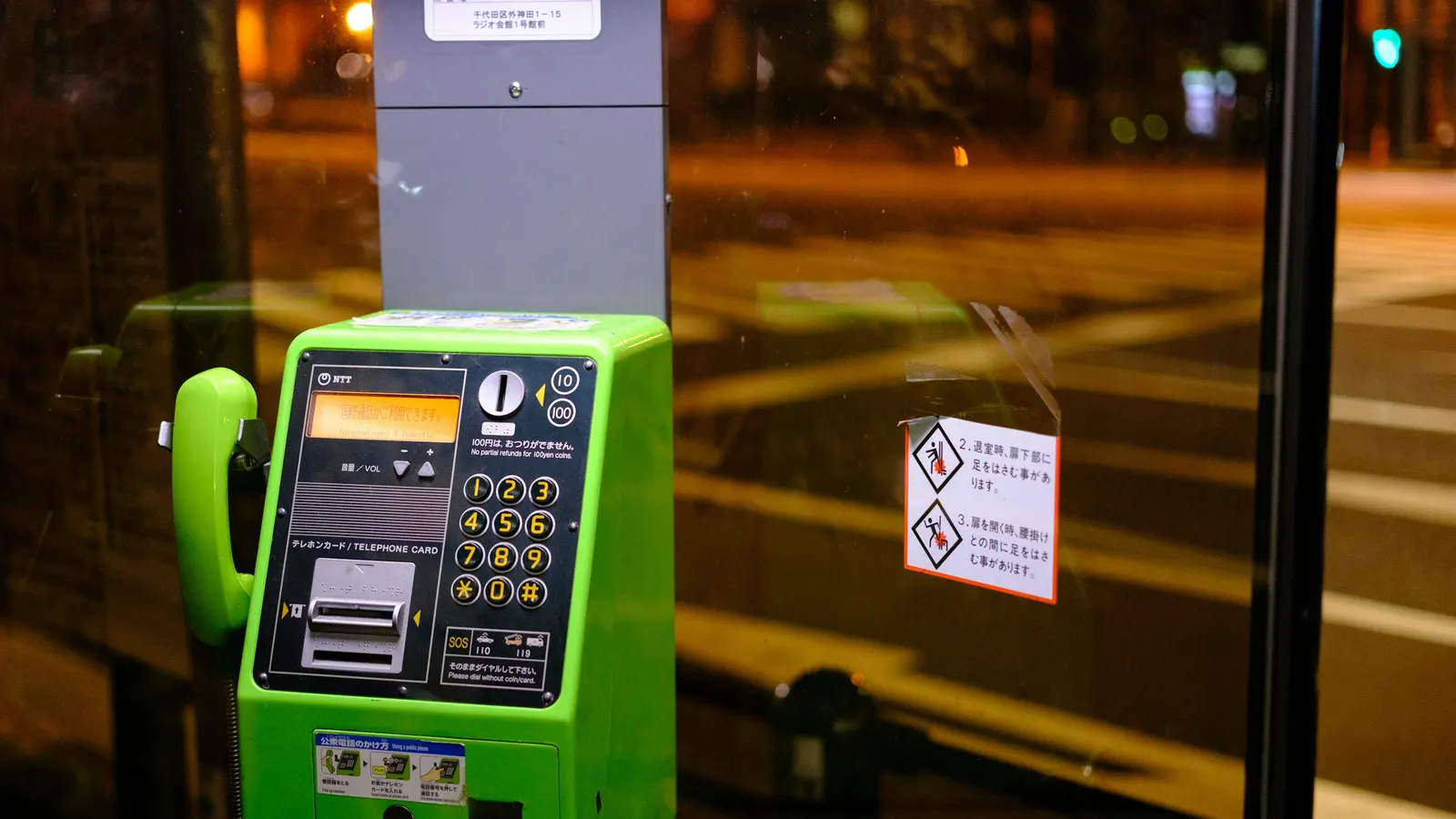
You found the restaurant, the date works, and the booking form stops you at one field: a phone number that has to start with 0. Or the listing says bookings are by phone only, and you don't have a Japanese number to call from or to be called back on. This is one of the most common walls travelers hit in Japan. Here is why it exists and every way around it.
A phone number is how a small restaurant in Japan protects itself. If a guest is running late, the fish didn't arrive, or the chef is ill, they call. If a booking looks doubtful, they call to confirm. A number they can't dial, or a foreign number that costs them an international call, takes that safety net away.
No-shows are the other half of it. A missing party of four at a ten-seat counter is a lost night, and bookings that come with no reachable contact have a much worse record. So many Japanese forms simply don't accept anything else. You'll typically see:
+ or anything not starting with 0,None of this is aimed at you personally. It is a system built for residents that never expected visitors to use it.
Some booking platforms are built for international guests and take foreign numbers and cards. If your restaurant is listed on one, this is the fastest route. Coverage is the problem: these platforms carry a small share of Japan's restaurants, mostly higher-end places that already court overseas guests.
If you're staying at a hotel, some travelers enter the hotel's number with their name, and tell the front desk to expect a call. It can work for a straightforward booking, but it is a workaround, not a guarantee: the form may still want an SMS code, and a message left at a busy front desk can go missing. Ask the hotel first. Never enter a number you don't have permission to use.
Most travel eSIMs and airport SIMs are data only, with no phone number. A few tourist SIM providers do sell plans that include a real Japanese number for calls and SMS. They cost more and you usually need to arrange them before you arrive. Worth it if you're staying a month or more. For a two-week trip, it's usually more hassle than the bookings it unlocks.
Call-over-internet apps rarely help here: numbers that look Japanese but are internet-only often can't receive the SMS codes booking sites send.
A hotel concierge books with the hotel's own number, which solves the problem completely. The catch is that not every hotel has a concierge, and not every concierge will book small, phone-only places. See our overview of booking methods for when this works best.
A calling service rings the restaurant in Japanese and gives your contact details the way the restaurant expects. Moshicall does this with an AI assistant. If you give us a phone number, the assistant passes it on. If you don't, it explains you're traveling and are reachable by email, which most restaurants accept on the phone even when their web form wouldn't. You pay only if you get the table.
You can call a Japanese restaurant directly from a foreign phone. Drop the first 0 and add +81, so 03-1234-5678 becomes +81 3-1234-5678. Our phone number converter does it for you and tells you which city the number belongs to.
Three things make the call go better:
日本の電話番号がありません。
Nihon no denwa bangō ga arimasen.
I don't have a Japanese phone number.
旅行中なので、メールで連絡をいただけますか。
Ryokō-chū na node, mēru de renraku o itadakemasu ka.
I'm traveling. Could you contact me by email?
〇〇ホテルに泊まっています。
(Hotel name) hoteru ni tomatte imasu.
I'm staying at the (name) hotel.
For the rest of the call, from the opening line to confirming the time, use our phrases guide or build a script with the phrase builder.
Restaurants ask for a number because they worry the booking won't be kept. The best thing you can do is remove that worry:
Every kept booking from an overseas guest makes it a little easier for the next one.
On platforms built for international guests, usually yes. Many Japanese booking forms only accept numbers starting with 0 or send an SMS code to a Japanese number. On the phone, most restaurants accept a foreign number or an email if you explain you're traveling.
Most travel eSIMs and airport SIMs are data only. A few tourist providers sell plans with a Japanese voice number for calls and SMS, usually at a higher price and arranged before you arrive.
Nihon no denwa bangō ga arimasen (日本の電話番号がありません). Follow it with how they can reach you instead, such as your hotel or email.
Guide
Small counters, family-run kitchens and long-standing regulars: why phone booking survives in Japan, and how to book those places from abroad.
6 min read →
Guide
Every way to get a table in Japan, from online platforms to hotel concierges to calling in Japanese, and which one to use for which kind of restaurant.
8 min read →
Guide
The exact Japanese you need to book a table: the opening line, numbers of people, times, and the words the restaurant will say back to you.
7 min read →
Guide
Manseki, chotto muzukashii, course only: what each refusal really means, the common reasons small restaurants say no, and how to still get a table.
6 min read →