Booking restaurants in Tokyo: a neighbourhood guide
Where to eat in Tokyo beyond the tourist strips, which neighbourhoods need a booking, and how to get into the small places that only take calls.
Updated · 8 min read
Where to eat in Tokyo beyond the tourist strips, which neighbourhoods need a booking, and how to get into the small places that only take calls.
Updated · 8 min read
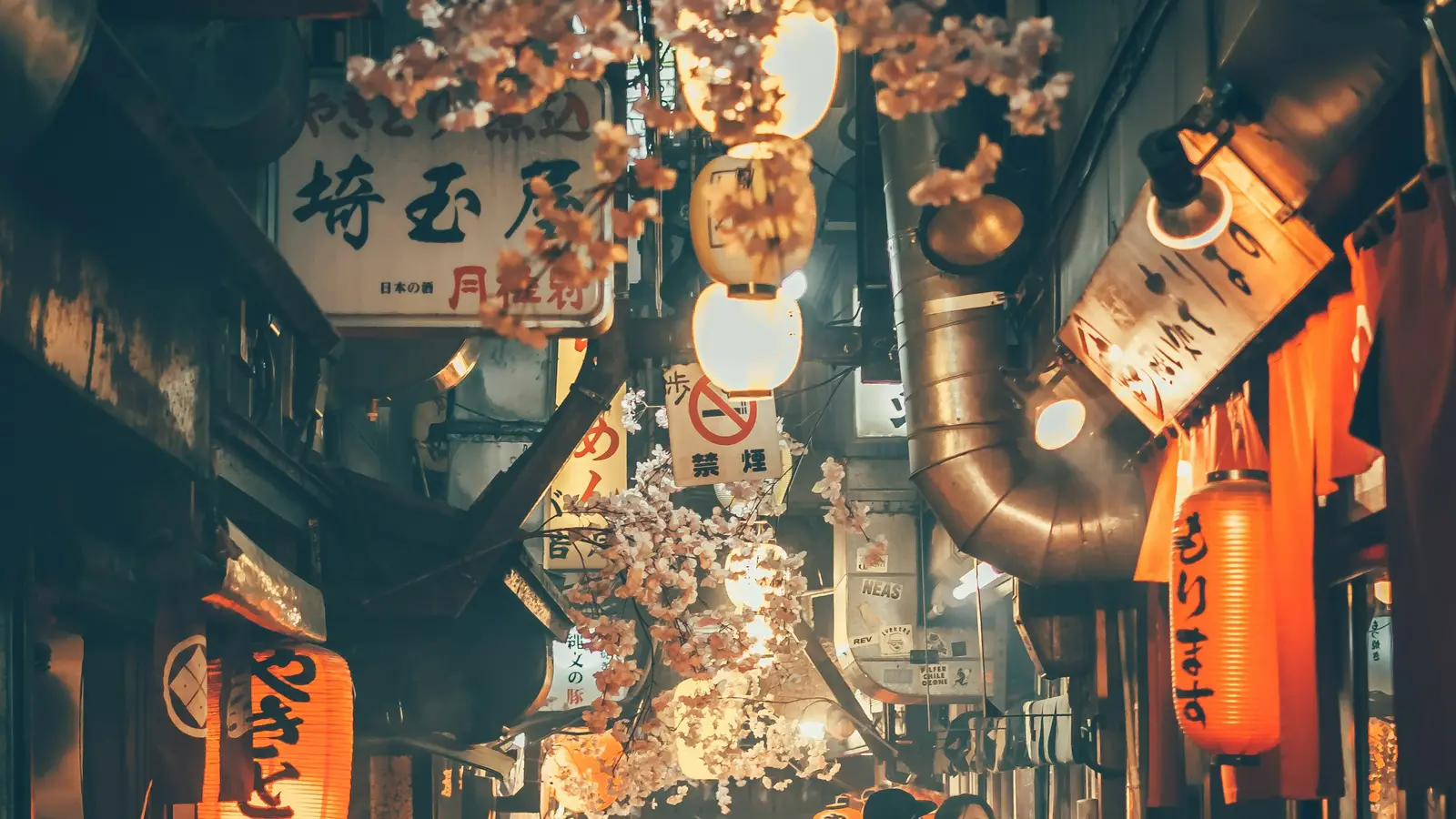
Tokyo has more restaurants than you could visit in a lifetime, and more competition for the good ones than anywhere else in Japan. The trick is knowing which meals need a booking, which neighbourhoods to look in, and how to reach the small places that only answer the phone.
Tokyo's famous restaurants book out weeks or months ahead, and even very good neighbourhood places fill up on Friday and Saturday nights. As a rule:
For a full breakdown of booking methods, see how to book a restaurant in Japan.
Tokyo is a city of neighbourhoods, each with its own food culture. The main crossings and station exits are the most tourist-heavy part of any of them. Walk five minutes out and it changes.
Ginza is home to many of the city's most celebrated sushi counters and classic Japanese restaurants, most of them bookings-only. Next door, Shimbashi is where office workers drink. It's full of izakaya and yakitori under the railway tracks, and much easier to walk into.
The lanes under the tracks between Yurakucho and Shimbashi are lined with yakitori and izakaya. It's lively, smoky and mostly walk-in.
Omoide Yokocho, the narrow yakitori alleys by the station, and Golden Gai, a warren of tiny bars, are famous and busy with visitors. Some Golden Gai bars charge a seat fee. For dinner, look at the quieter streets toward Shinjuku-sanchome, which have excellent restaurants that locals book.
These neighbourhoods have smart bistros, wine bars, yakiniku and a lot of very good small restaurants. Weekend dinners here need a booking.
Cobbled lanes, old-style Japanese restaurants and a surprising number of French ones. It's quiet, grown-up, and bookings are recommended.
Tsukishima's main street is lined with monjayaki restaurants, Tokyo's runny cousin of okonomiyaki. It's mostly walk-in. Nearby Monzen-nakacho is an old-style drinking neighbourhood with great izakaya.
West of Shinjuku, these residential neighbourhoods are full of independent izakaya, bars and cheap restaurants run for locals. It's one of the best areas for finding places tourists haven't found yet. Kichijoji's Harmonica Yokocho is a good starting point.
The wholesale market moved to Toyosu in 2018, but the outer market's shops and sushi stalls stayed. It's best for breakfast and lunch, mostly walk-in, and busy.
Tokyo numbers start with 03, followed by eight digits: 03-1234-5678, or +81 3-1234-5678 from abroad. The phone number converter formats any number for dialing.
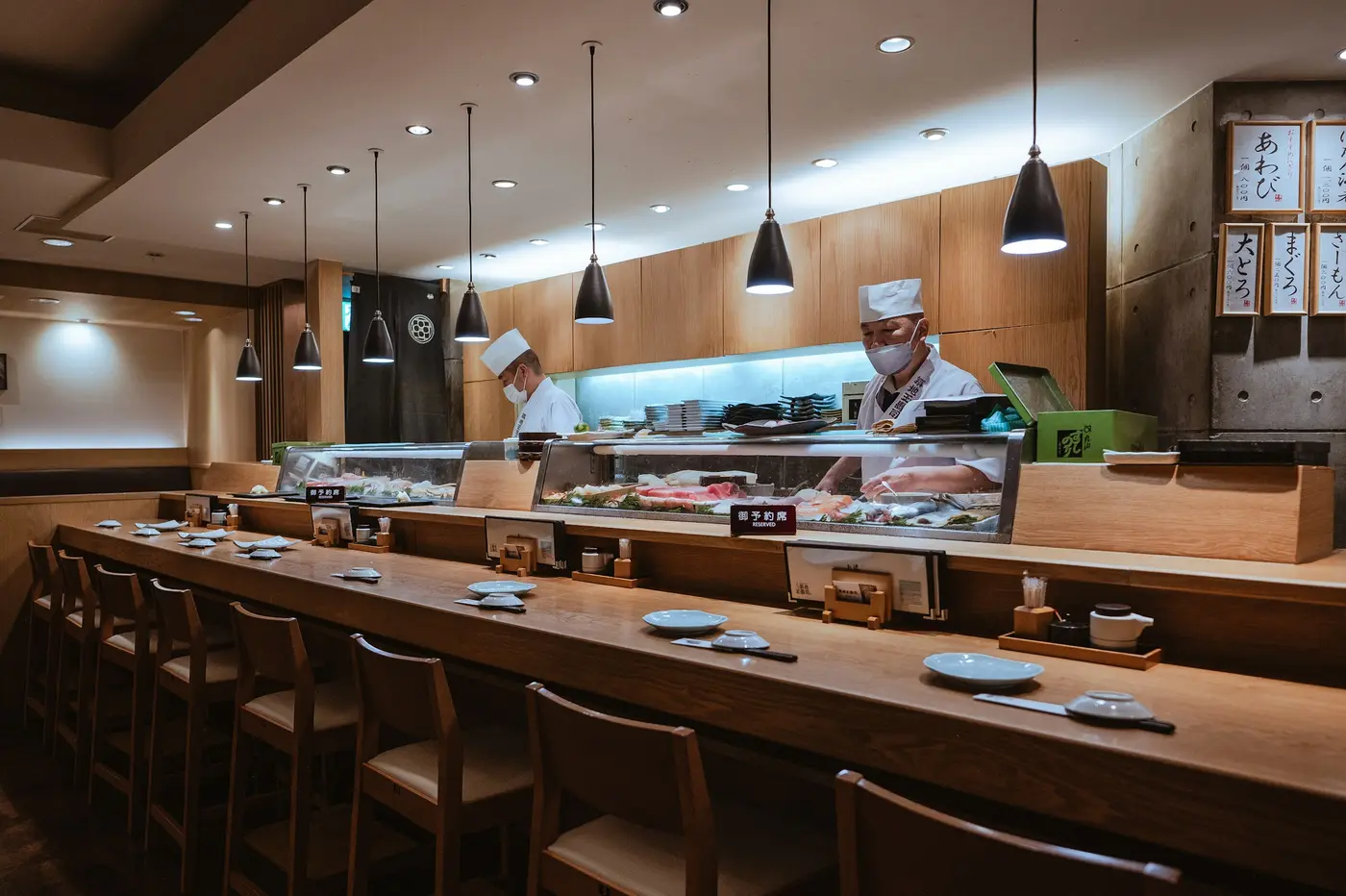
Tokyo is the capital of Edo-style sushi and the most competitive city for seats. If sushi is your priority, read our guide to booking a sushi omakase counter. The short version: aim one tier below the famous names, book a week or two out, and try lunch.
Heading west? See our guides to Kyoto, where the rules are different, and Osaka, where everything is more relaxed.
For sushi counters, kaiseki, popular yakiniku and small bistros, yes, especially on weekends. For ramen, standing bars and most lunch spots, no. Queue instead.
Tokyo landlines start with 03 followed by eight digits, for example 03-1234-5678. From abroad that is +81 3-1234-5678.
Guide
From famous counters to the neighbourhood sushi-ya: how far ahead to book, what you'll pay, the etiquette, and how to reach the places that only answer the phone.
7 min read →
Osaka
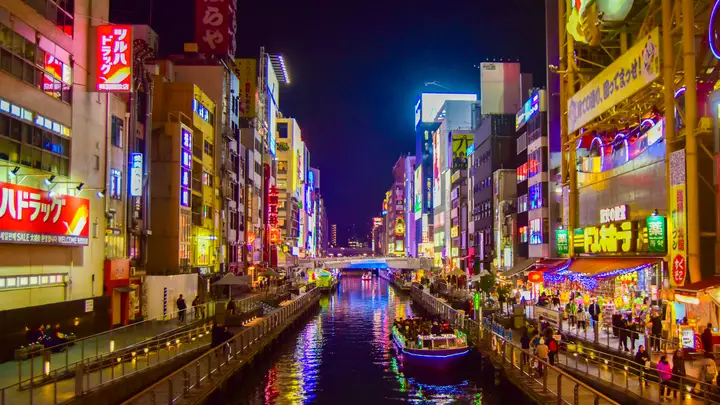
Osaka is Japan's kitchen, and its best tables are away from Dotonbori. Neighbourhoods, what needs a booking, and how to reach phone-only places.
7 min read →
Kyoto
Kyoto eats early and books ahead. How to get a kaiseki table, what 'no first-timers' means, and how to book the small places around Pontocho and Gion.
7 min read →
Guide
Every way to get a table in Japan, from online platforms to hotel concierges to calling in Japanese, and which one to use for which kind of restaurant.
8 min read →