Eating out with kids in Japan: which restaurants allow children
Family restaurants welcome kids, many small counters don't. How to read child policies like 小学生以下お断り, find private rooms, and book a family dinner.
Updated · 6 min read
Family restaurants welcome kids, many small counters don't. How to read child policies like 小学生以下お断り, find private rooms, and book a family dinner.
Updated · 6 min read
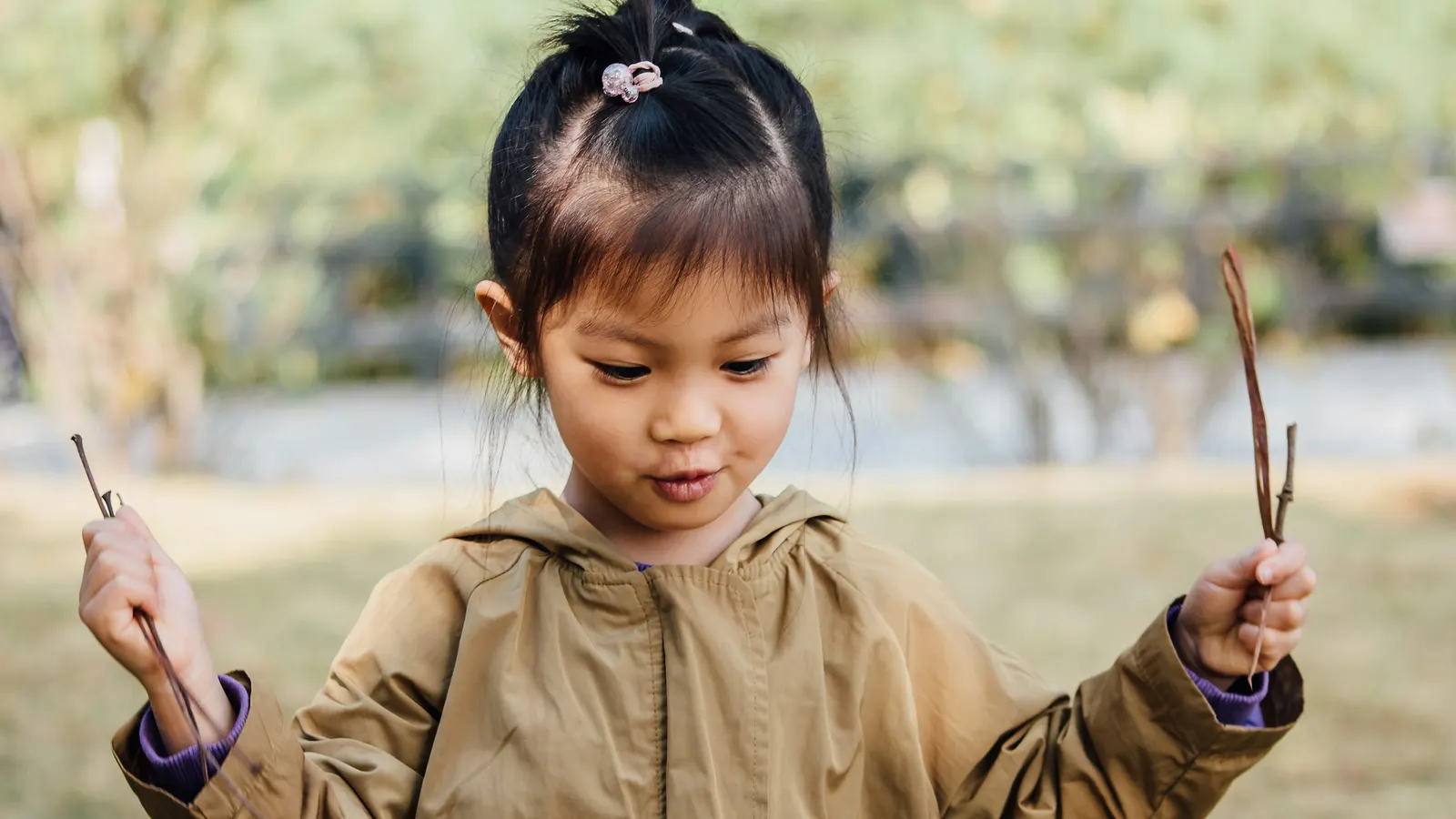
Japan is one of the easiest countries in the world to eat out with children, as long as you pick the right kind of restaurant. Family restaurants, food halls and most casual chains welcome kids with open arms. Small counters and high-end restaurants often don't, and some say so plainly. Here is how to tell which is which before you book, and how to book when you have little ones with you.
| Usually easy with kids | Often no children, or check first |
|---|---|
| Family restaurants (famiresu) like chain diners | Sushi and omakase counters |
| Conveyor-belt sushi | Kaiseki and kappo |
| Ramen, udon and curry chains | Small bars and standing bars |
| Department store restaurant floors and food halls | Counter-only restaurants with under ten seats |
| Yakiniku chains and okonomiyaki | Late-night izakaya that allow smoking |
| Hotel restaurants and buffets | Anywhere course only at the high end |
The pattern is simple. The smaller the room, the quieter the atmosphere and the more set the menu, the more likely a restaurant is to limit children. It is not hostility to families. A tiny counter is a shared space, and a course is served to everyone at once.
Look for these on Tabelog and restaurant pages. On Tabelog, the listing has a line for children (お子様連れ) under seating and facilities.
| Japanese | Meaning |
|---|---|
| 子供可 (kodomo ka) | Children allowed |
| お子様連れ歓迎 | Families welcome |
| 子供不可 / お子様連れ不可 | No children |
| 小学生以下お断り | No children of primary school age or younger |
| 未就学児不可 | No children under school age (under about 6) |
| ベビーカー可 | Strollers allowed |
| 個室あり | Private rooms available |
| 座敷 (zashiki) | Tatami seating on the floor |
Our Tabelog guide shows where these details sit on a listing.
If a listing says nothing, don't assume either way. Many small restaurants don't fill in the field, and some decide case by case, depending on the child's age and the time of the booking.
子供連れでも大丈夫ですか。
Kodomo-zure demo daijōbu desu ka.
Is it okay to bring children?
大人二名、子供一名です。子供は八歳です。
Otona ni-mei, kodomo ichi-mei desu. Kodomo wa hassai desu.
Two adults and one child. The child is eight.
個室はありますか。
Koshitsu wa arimasu ka.
Do you have a private room?
お子様メニューはありますか。
Okosama menyū wa arimasu ka.
Do you have a children's menu?
ベビーカーで入れますか。
Bebīkā de hairemasu ka.
Can we come in with a stroller?
More booking phrases are in our phrases guide.
Families who eat out in Japan follow a few quiet norms, and following them keeps restaurants open to the next family:
When you book with Moshicall, include children in the party size and mention their ages in the notes, for example "One guest is 7 years old. A private room if possible." Our AI assistant states the party size in Japanese and passes on your note on the same call. If the restaurant raises any concern about children, the call recap tells you exactly what they said, in plain English. For a small counter, check the Tabelog children line first: it saves everyone a call.
In most casual restaurants, chains, food halls and family restaurants, yes. Small counters, sushi omakase, kaiseki and bars often limit or refuse children. Check the listing or ask when you book.
Shōgakusei ika okotowari means no children of primary school age or younger, roughly under 12. 未就学児不可 means no children under school age, roughly under 6.
Open the listing's seating and facilities section and look at the children line (お子様連れ). 子供可 means children are allowed. Private rooms (個室) and tatami seating (座敷) are also good signs.
Guide
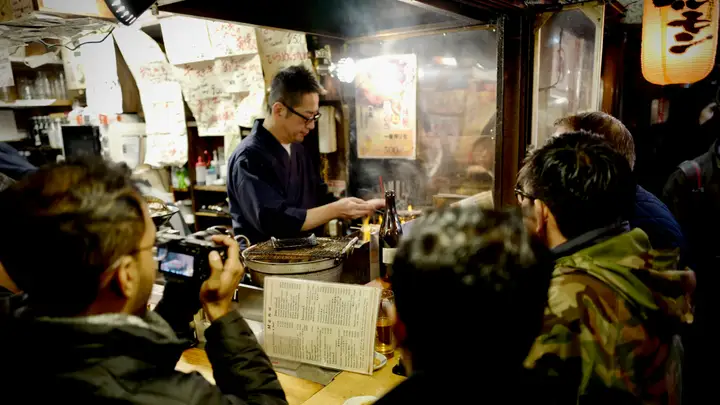
When you can walk into an izakaya, when you need to book, what otoshi and nomihoudai mean, and how groups get a table on a Friday night.
5 min read →
Guide
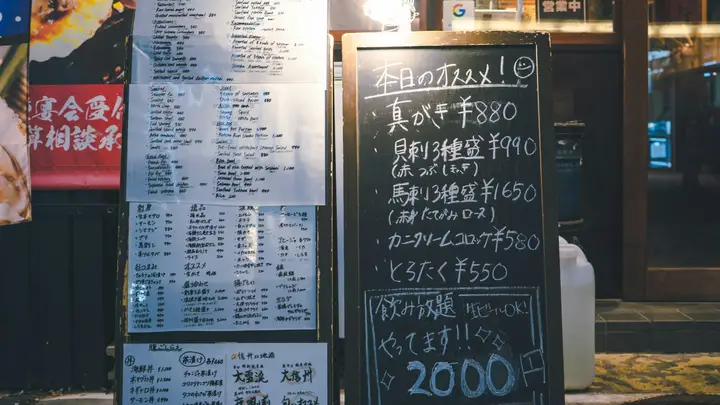
Tabelog is where Japan decides where to eat. What the scores really mean, which filters matter, and what to do when a listing just says to call.
7 min read →
Guide
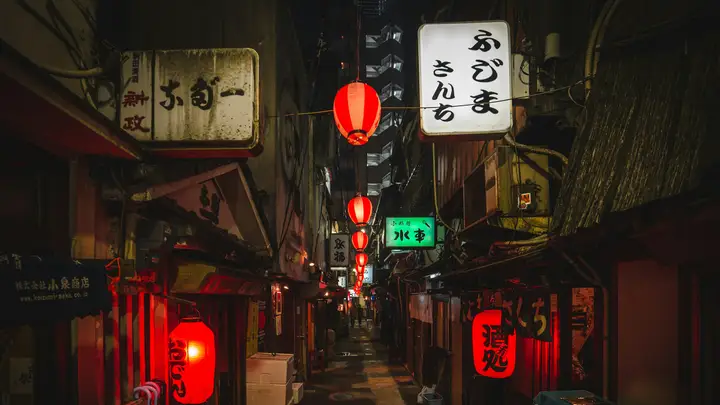
Google Maps shows you where tourists eat. Here is how to find the counters, izakaya and set-lunch spots that locals queue for, and how to get in.
7 min read →
Guide
Manseki, chotto muzukashii, course only: what each refusal really means, the common reasons small restaurants say no, and how to still get a table.
6 min read →