How to use Tabelog as a tourist
Tabelog is where Japan decides where to eat. What the scores really mean, which filters matter, and what to do when a listing just says to call.
Updated · 7 min read
Tabelog is where Japan decides where to eat. What the scores really mean, which filters matter, and what to do when a listing just says to call.
Updated · 7 min read
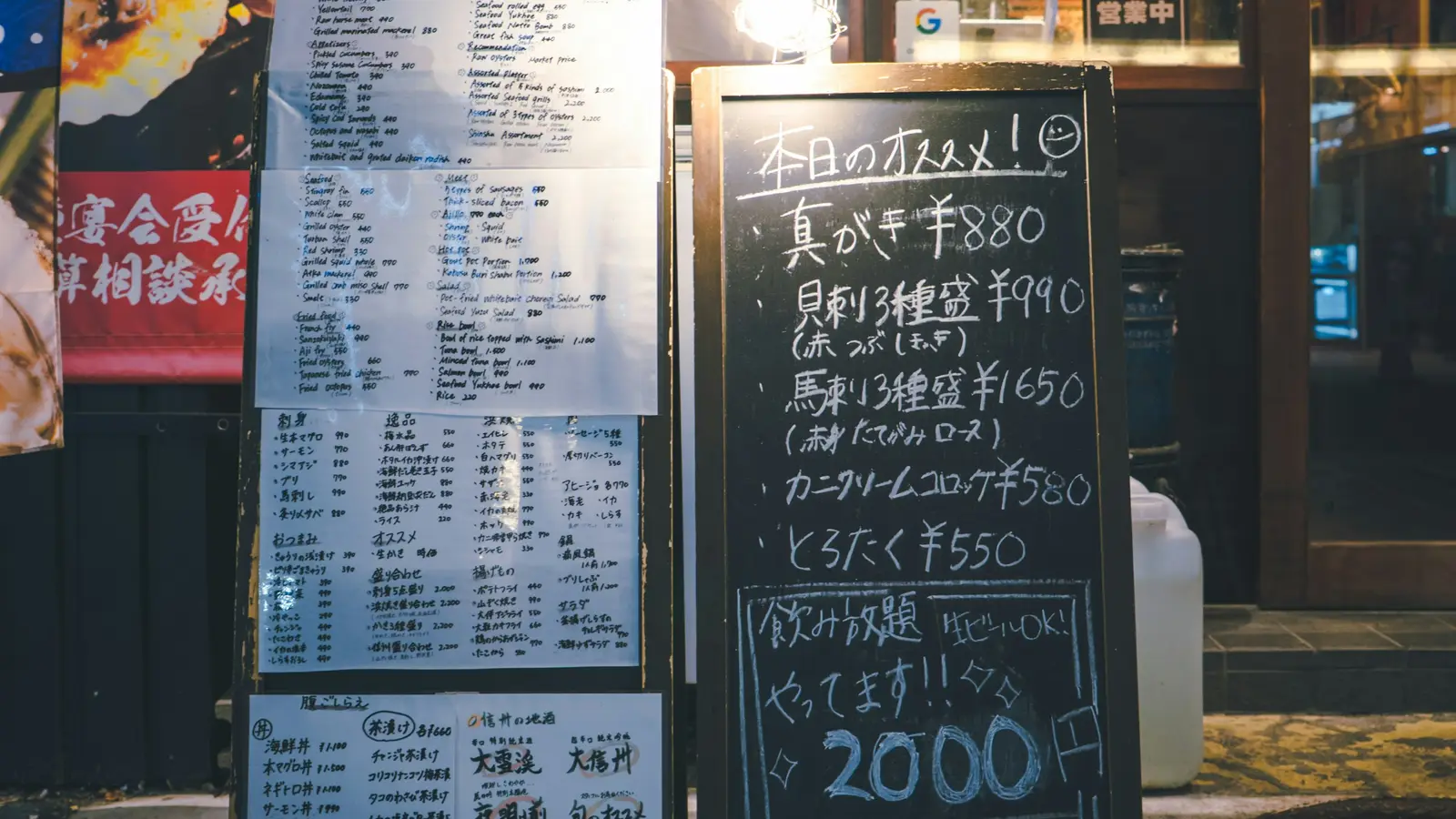
Tabelog (食べログ) is Japan's main restaurant review site, and it is where Japanese diners decide where to eat. It's also confusing the first time you open it: the scores look low, the filters are dense, and the listing you want often ends with a phone number and nothing else. This guide shows you how to read it.
Tabelog has an English version at tabelog.com/en. It is useful for browsing, but it shows fewer details than the Japanese site. For a restaurant you're serious about, open the Japanese page and use your browser's translate feature. You get the full review count, booking notes, the closed day and sometimes a separate booking number.
Tabelog scores run from 1 to 5, but in practice almost everything sits between 3.0 and 4.0. Reviews are weighted, and scores are adjusted so they don't inflate. Read them like this:
| Score | What it means |
|---|---|
| Below 3.0 | Few reviews or a weak record. Not necessarily bad. |
| 3.0 to 3.4 | A normal, decent restaurant. Many great neighbourhood places sit here. |
| 3.5 to 3.7 | Very good. Locals will travel for it. |
| 3.8 to 3.9 | Destination restaurant. Expect to book well ahead. |
| 4.0 and above | Rare. Among the best-known restaurants in the country. |
Don't chase the highest number. A 3.4 lunch spot with hundreds of reviews and a 3.6 izakaya near your hotel will make better memories than a 4.1 counter you can't get into.
Tabelog awards yearly Hyakumeiten (百名店, "top 100") badges by cuisine, such as ramen, sushi and curry. They are a strong shortcut when you're choosing within one type of food. Listings also flag awards and whether the restaurant is on Tabelog's own booking system.
On the Japanese page, scroll to the restaurant details (店舗情報) and look for these lines:
If there is a Tabelog calendar, great. You can try it, though it may ask you to sign up. If there's only a phone number, you're looking at a phone-only restaurant. That is very common, and we explain why in why so many restaurants only take bookings by phone.
This is where most travelers give up, and where the best tables are. You can:
Tabelog is the best tool for finding places. Our guide to finding where locals eat covers the rest, from neighbourhoods to street signals. If you're after sushi, read how to book an omakase counter.
Scores cluster between 3.0 and 3.5. Anything above 3.5 is very good, above 3.8 is a destination, and 4.0 or more is rare. A place at 3.3 with many reviews can still be an excellent neighbourhood restaurant.
Yes, at tabelog.com/en, but it lists fewer details than the Japanese site. Your browser's translate feature on the Japanese page usually gives you more, including the phone number and booking notes.

Guide
Google Maps shows you where tourists eat. Here is how to find the counters, izakaya and set-lunch spots that locals queue for, and how to get in.
7 min read →
Guide
Small counters, family-run kitchens and long-standing regulars: why phone booking survives in Japan, and how to book those places from abroad.
6 min read →
Guide
Every way to get a table in Japan, from online platforms to hotel concierges to calling in Japanese, and which one to use for which kind of restaurant.
8 min read →

Guide
From famous counters to the neighbourhood sushi-ya: how far ahead to book, what you'll pay, the etiquette, and how to reach the places that only answer the phone.
7 min read →