Why a restaurant in Japan turned down your booking, and what to do
Manseki, chotto muzukashii, course only: what each refusal really means, the common reasons small restaurants say no, and how to still get a table.
Updated · 6 min read
Manseki, chotto muzukashii, course only: what each refusal really means, the common reasons small restaurants say no, and how to still get a table.
Updated · 6 min read
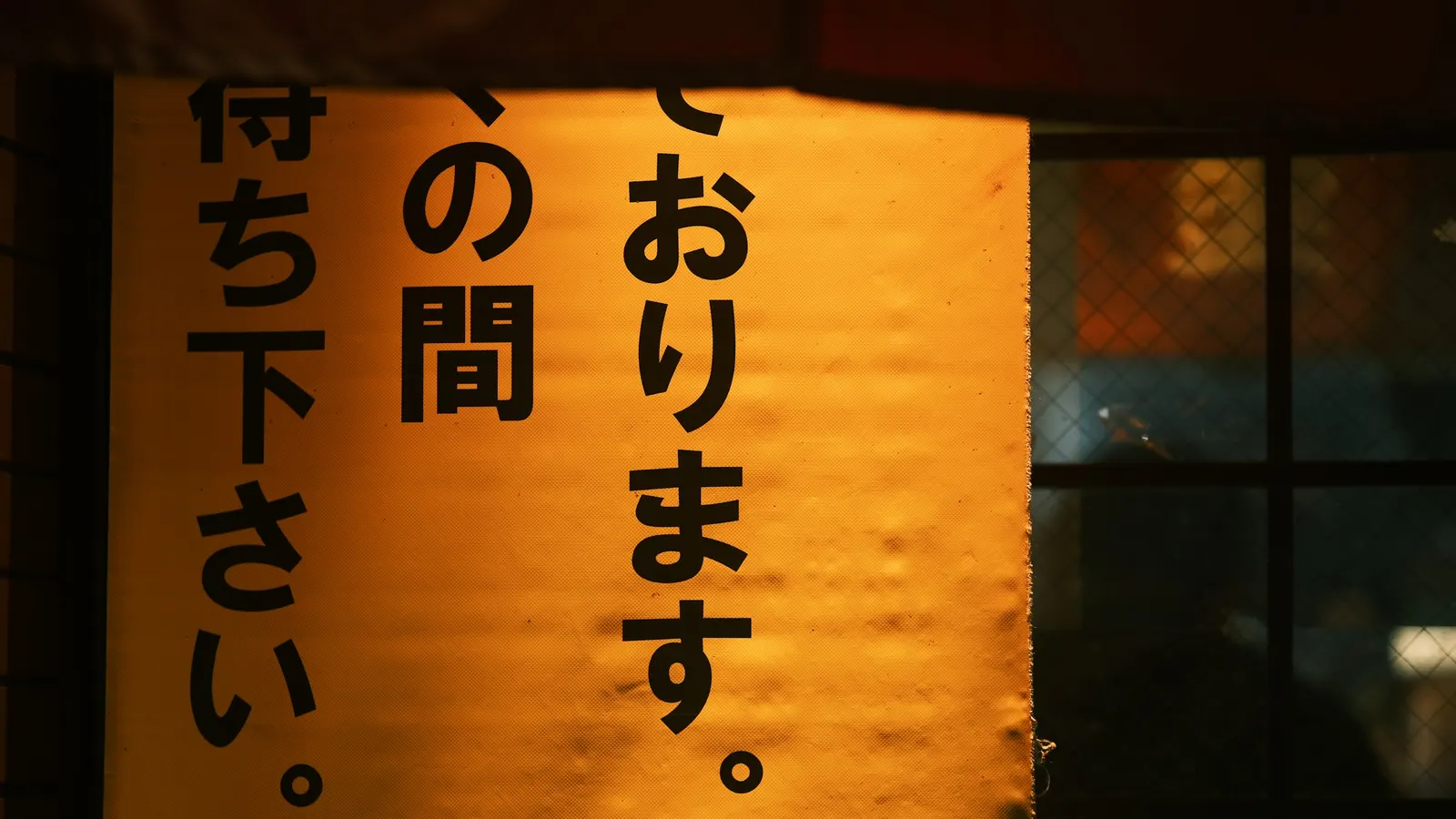
You asked for a table and the answer was no. Sometimes it's a clear "we're full", sometimes a vague "that's a little difficult", and sometimes a polite apology you can't quite decode. In Japan a refusal is rarely personal, and many of them have a way around. Here is what each answer means and what to try next.
Japanese staff rarely say a flat "no". These are the phrases you'll actually hear:
| What they say | What it means | Is there a way in? |
|---|---|---|
| 満席です (manseki desu) | Fully booked | Try another time or day |
| ちょっと難しいです (chotto muzukashii desu) | "A little difficult", meaning no | Usually not for this request. Ask what is possible |
| その日は貸切です (kashikiri desu) | The whole place is booked for a private event | Another day |
| 定休日です (teikyūbi desu) | It's their regular closing day | Another day |
| コースのみです (kōsu nomi desu) | Set course only, no à la carte | Yes, if you accept the course |
| 〇名様までです (…mei-sama made desu) | Maximum party size | Split the group, or go elsewhere |
| 予約は受け付けていません (yoyaku wa uketsukete imasen) | They don't take bookings at all | Go early and queue |
"Chotto muzukashii" deserves a special note. It sounds like a maybe. It almost always means no, and pushing further makes things awkward. The better move is to ask what they can do instead.
The most common answer, and the most fixable. Small restaurants fill their best slots first, but they often have space just outside them.
A counter with eight seats cannot take a group of eight on a normal night. Many small restaurants top out at four to six. Try splitting into two bookings at different places, or look for a restaurant with private rooms (個室, koshitsu), which are common at izakaya and yakiniku. See how groups book izakaya.
This isn't a refusal, just a condition. Course only means you're booking a set menu at a set price, often at a set start time. If you accept, you're in. Ask the price before you say yes if budget matters.
Some restaurants hesitate with overseas guests, especially small counters that have been hurt by no-shows. Signals that you're hearing this reason:
It helps to answer the worry directly: give a reliable way to reach you, confirm the details clearly, and say you understand the cancellation policy. Our guides to booking without a Japanese number and cancellation fees cover both. A small number of places simply don't take bookings from visitors. That is their choice to make, and the best answer is a thank-you and another restaurant.
紹介制 (shōkai-sei) or 一見さんお断り (ichigen-san okotowari) means first-time guests need an introduction from a regular. No phone call or platform will get you in. A well-connected hotel concierge sometimes can. More in the Kyoto guide, where this is most common.
Some restaurants don't accept children, and some won't book a single person for peak hours. We cover both in dining with kids and eating alone in Japan.
何時なら空いていますか。
Nan-ji nara aite imasu ka.
What time would be free?
別の日はいかがですか。
Betsu no hi wa ikaga desu ka.
How about another day?
カウンター席でも大丈夫です。
Kauntā-seki demo daijōbu desu.
Counter seats are fine too.
キャンセル待ちはできますか。
Kyanseru machi wa dekimasu ka.
Can I go on the waiting list?
わかりました。ありがとうございます。
Wakarimashita. Arigatō gozaimasu.
I understand. Thank you.
Ending politely matters. If you call back another week, the same person may pick up.
The easiest way to avoid a no is to give the restaurant options before they have to refuse. "Saturday at 7pm, or any time between 6 and 8" gets far more yeses than a single fixed slot.
That is how Moshicall books. When you request a table, you tell us how flexible you are: the exact time only, or up to an hour either way. Our AI assistant asks for your time first, and if that's full, it asks what's free within your range and takes it. If the restaurant says no to everything, the call recap tells you exactly why in plain English, and you pay nothing.
Literally 'a little difficult', but in practice it means no. Instead of pushing, ask what is possible, such as another time (nan-ji nara aite imasu ka) or another day.
Manseki (満席) means fully booked. It is the most fixable refusal: try 30 to 60 minutes earlier or later, a weekday, or counter seats.
A small number do, mostly tiny counters hurt by no-shows from overseas bookings. More often the hesitation is about being able to reach you, so a reliable contact and a clear promise to keep the booking help.
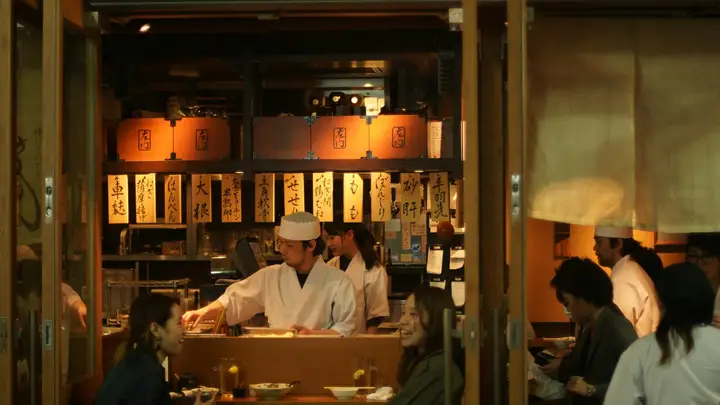
Guide
Every way to get a table in Japan, from online platforms to hotel concierges to calling in Japanese, and which one to use for which kind of restaurant.
8 min read →
Guide
The booking form wants a number starting with 0 and you don't have one. Why Japanese restaurants ask for it, and every way around it for travelers.
6 min read →
Guide
Why some restaurants in Japan stopped taking bookings from tourists, what cancellation fees usually look like, and how to cancel properly.
5 min read →
Guide
The exact Japanese you need to book a table: the opening line, numbers of people, times, and the words the restaurant will say back to you.
7 min read →