How to find restaurants where locals actually eat in Japan
Google Maps shows you where tourists eat. Here is how to find the counters, izakaya and set-lunch spots that locals queue for, and how to get in.
Updated · 7 min read
Google Maps shows you where tourists eat. Here is how to find the counters, izakaya and set-lunch spots that locals queue for, and how to get in.
Updated · 7 min read
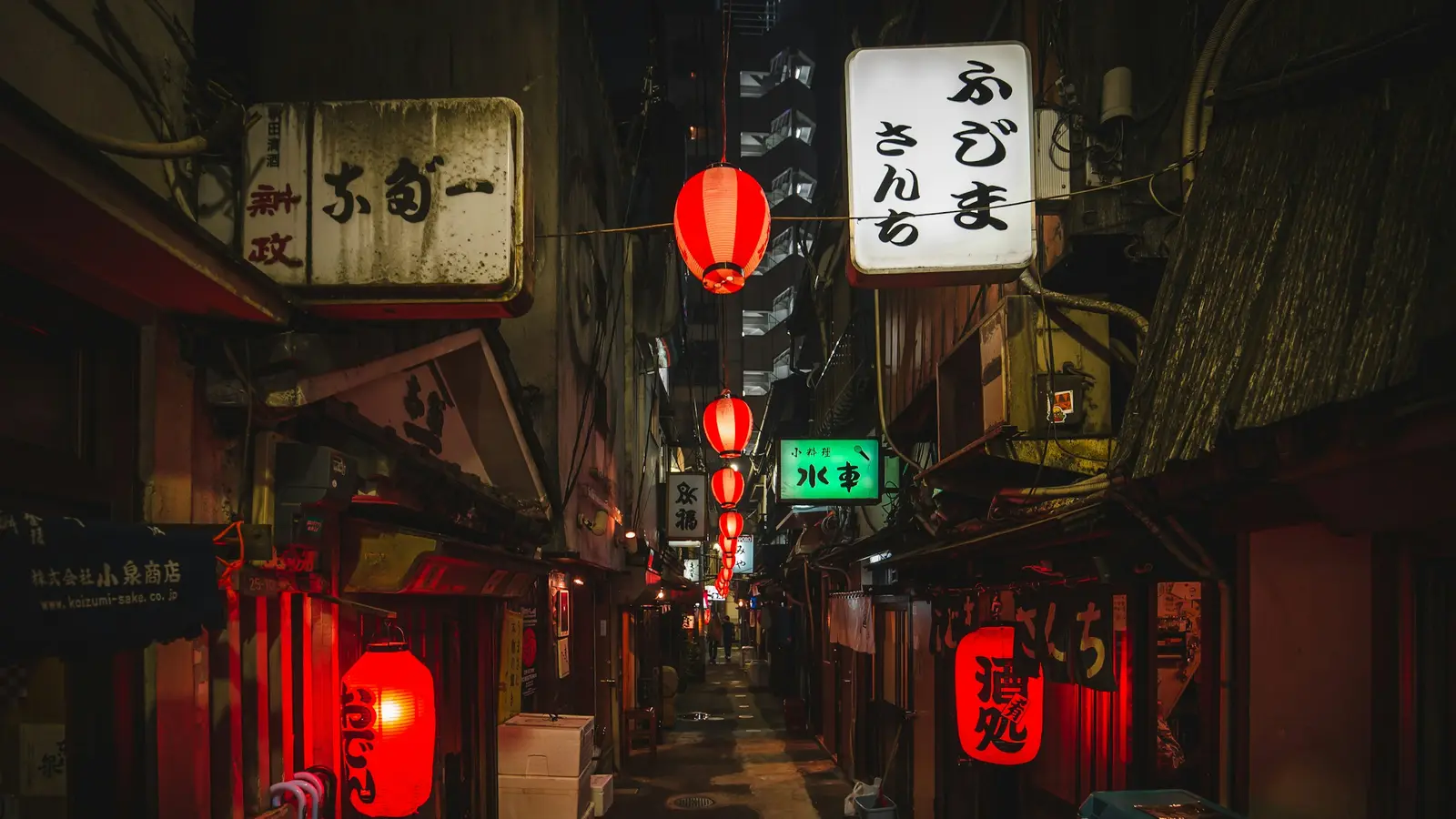
Search "best sushi Tokyo" and you'll get the same twenty restaurants every other visitor gets. Those places are fine, but they are booked out by people who searched the same thing. Japan has an enormous number of restaurants, and the ones locals love most rarely show up in English search results. Here is how to find them.
Google Maps ratings in Japan lean heavily on reviews from visitors. Travelers review in English, rate generously, and cluster around stations and sights. So the highest-rated places on Google are often the ones most used to tourists, which is not the same as the ones locals rate highest.
Japanese diners mostly review on Tabelog, and they rate hard. That makes Tabelog the single best tool for finding local favourites. It takes a little practice to read. Our Tabelog guide explains the scores and filters.
The trick is to use both:
When a place scores well on Tabelog but has few English reviews on Google, you've probably found somewhere locals love and tourists haven't found yet.
Restaurants right beside major stations and sights pay high rents and feed passing crowds. Go one or two stops out on a local line and the same money buys you a better meal, in a room full of people who live there.
Residential neighbourhoods with a shopping street (商店街, shōtengai) are especially good. They have family-run restaurants that have fed the same regulars for decades.
Bartenders, the staff at a good coffee shop, or your guesthouse host often know exactly where they eat on a night off. Ask for their own favourite, not for a recommendation for tourists. Many are delighted to be asked, and some will write the name down in Japanese for you.
Once you've found a great local restaurant, you'll often hit the same wall. There's no online booking, no English, and a note that says to call. That is not an accident. We explain why in why so many restaurants only take bookings by phone.
For small places, try lunch first. If they don't take bookings at all (look for 予約不可), go at opening time, before the local crowd arrives.
It is good for opening hours, directions and photos, but its ratings lean heavily on tourist reviews. Cross-check with Tabelog, where most reviews come from Japanese diners.
Usually. Japanese diners queue patiently for places worth it, particularly at lunch. A queue of locals in office clothes at noon is one of the most reliable signals you will find.
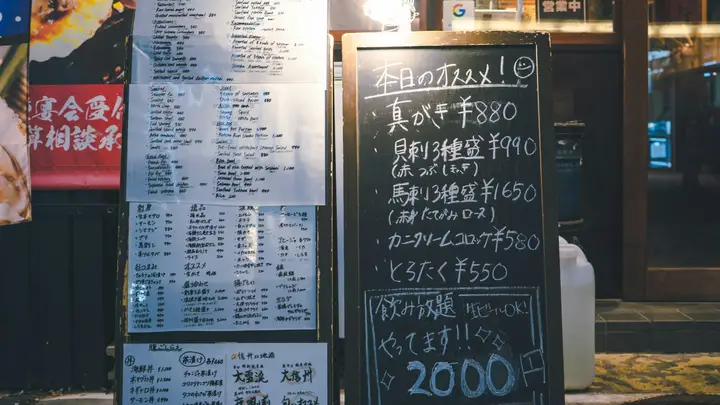
Guide
Tabelog is where Japan decides where to eat. What the scores really mean, which filters matter, and what to do when a listing just says to call.
7 min read →
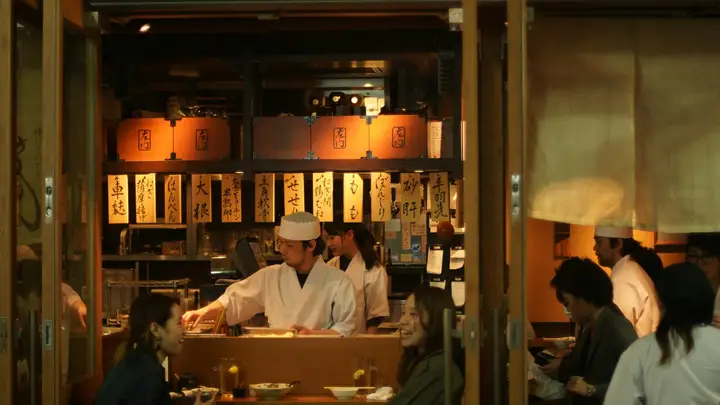
Guide
Every way to get a table in Japan, from online platforms to hotel concierges to calling in Japanese, and which one to use for which kind of restaurant.
8 min read →
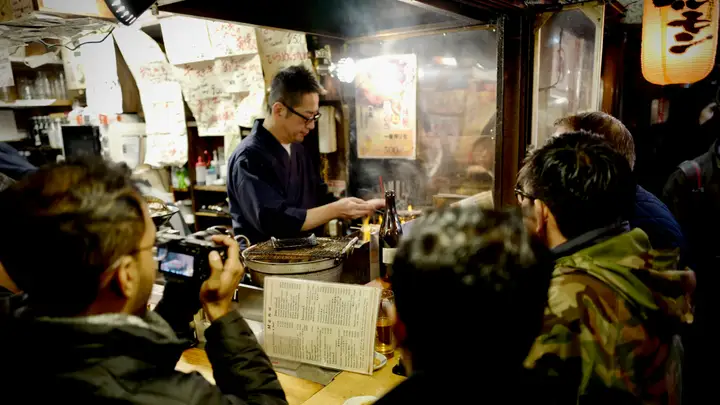
Guide
When you can walk into an izakaya, when you need to book, what otoshi and nomihoudai mean, and how groups get a table on a Friday night.
5 min read →

Osaka
Osaka is Japan's kitchen, and its best tables are away from Dotonbori. Neighbourhoods, what needs a booking, and how to reach phone-only places.
7 min read →