Cancellation fees and no-shows at restaurants in Japan
Why some restaurants in Japan stopped taking bookings from tourists, what cancellation fees usually look like, and how to cancel properly.
Updated · 5 min read
Why some restaurants in Japan stopped taking bookings from tourists, what cancellation fees usually look like, and how to cancel properly.
Updated · 5 min read
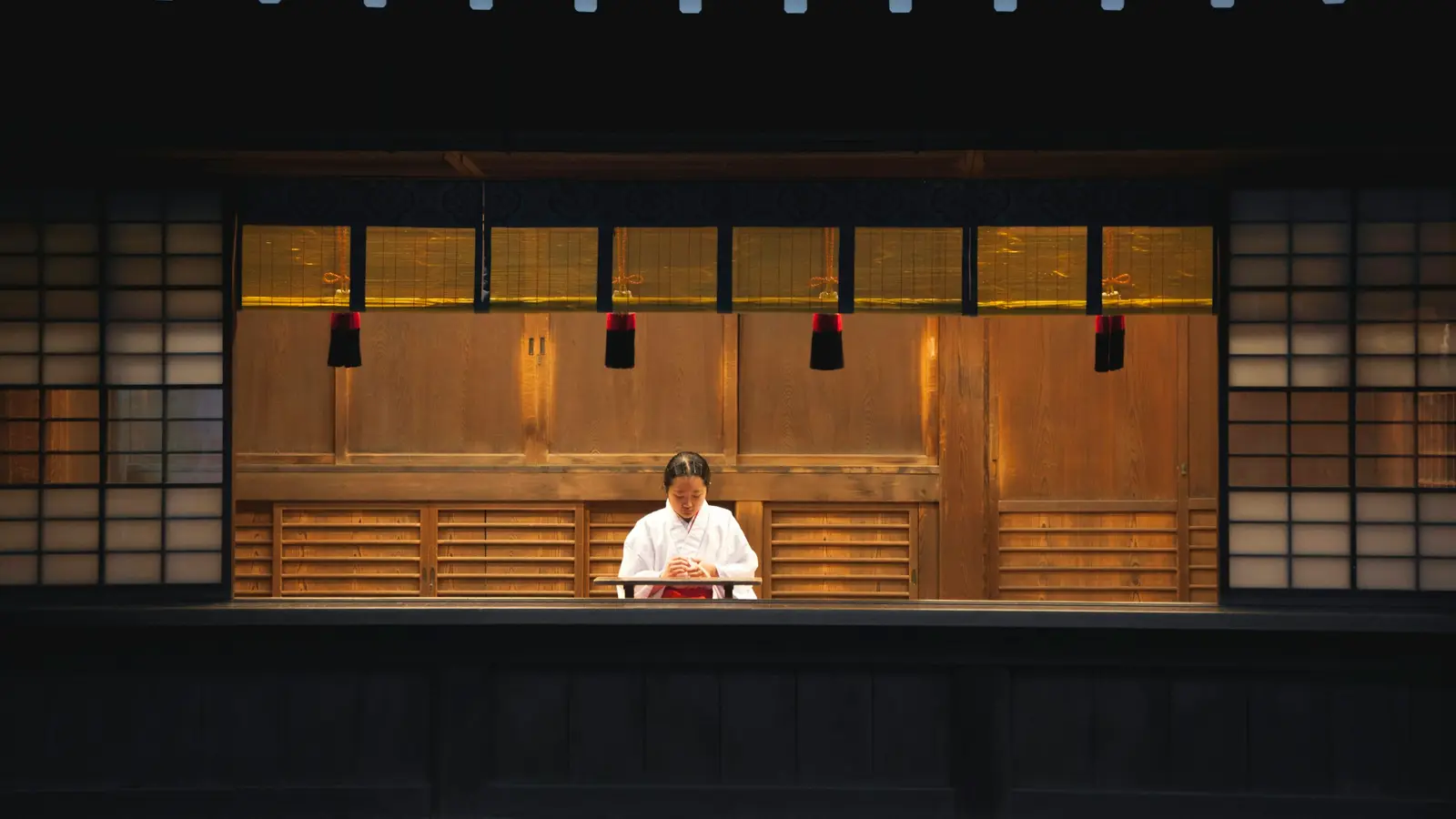
Cancellation policies at restaurants in Japan surprise a lot of visitors. A small sushi counter might charge the full price of the course if you don't show up, and some restaurants have stopped taking bookings from overseas guests altogether. Here is why, what to expect, and how to cancel without causing trouble.
Many restaurants in Japan are very small. A counter with eight seats and a set course buys its ingredients for exactly the guests who booked, and it turns away everyone else. When two guests don't show, a quarter of the night's revenue is gone and the fish is wasted.
No-shows (無断キャンセル, mudan kyanseru, "cancelling without notice") have become a public issue in Japan, and bookings made from abroad have a reputation for being riskier. It is why some restaurants now:
When a restaurant hesitates about your booking, this is almost always the reason. It isn't about you personally.
Policies vary by restaurant, and the restaurant tells you when you book. You'll most often see fees at sushi and omakase counters, kaiseki, and anywhere that is course only (コースのみ). Casual izakaya and ramen shops rarely have them.
A typical pattern at a small counter looks something like this:
| When you cancel | Typical charge |
|---|---|
| Several days before | Nothing |
| The day before | Part of the course price |
| On the day, or no-show | Often the full course price |
Treat that as a pattern, not a rule. The only policy that counts is the one the restaurant tells you. Write it down when they do. If you book with Moshicall, we pass on any conditions the restaurant mentions in your recap, as they were told to us.
予約をキャンセルしたいのですが。
Yoyaku o kyanseru shitai no desu ga.
I'd like to cancel my reservation.
十月十日、十九時、二名、スミスです。
Jū-gatsu tōka, jūku-ji, ni-mei, Sumisu desu.
10 October, 7pm, two people, the name is Smith.
ご迷惑をおかけしてすみません。
Go-meiwaku o okake shite sumimasen.
I'm sorry for the trouble.
The phrases guide has more, including how to change a booking instead of cancelling it.
Being on time matters in Japan, especially at counters where everyone starts the course together. If you're going to be more than ten minutes late, call ahead. Restaurants are much more forgiving of a warning than of silence. Some will give your seats away after a set time without one.
When we book for you, the restaurant's number is on your booking card, so you can cancel or change the booking directly. We charge only when the restaurant confirms a table that matches what you asked for. Any cancellation or no-show fee the restaurant charges is between you and the restaurant, which is how it would be if you'd called them yourself.
Keeping your booking, or cancelling early, is the best thing any traveler can do to keep these restaurants open to overseas guests.
Many small and high-end ones do, especially counters that buy fish for each guest. Fees range from a share of the course price to the full amount for same-day cancellations or no-shows.
Call the restaurant as early as you can, or cancel on the platform you booked through. A short 'Yoyaku o kyanseru shitai desu' (I'd like to cancel my booking) with your name and date is enough.
Guide
Every way to get a table in Japan, from online platforms to hotel concierges to calling in Japanese, and which one to use for which kind of restaurant.
8 min read →
Guide
From famous counters to the neighbourhood sushi-ya: how far ahead to book, what you'll pay, the etiquette, and how to reach the places that only answer the phone.
7 min read →
Guide
The exact Japanese you need to book a table: the opening line, numbers of people, times, and the words the restaurant will say back to you.
7 min read →
Guide
Small counters, family-run kitchens and long-standing regulars: why phone booking survives in Japan, and how to book those places from abroad.
6 min read →