Eating alone in Japan: where to go and how to book a table for one
Japan is made for eating alone, until a booking form says two people minimum. Where solo diners do best, and how to get a seat for one at small places.
Updated · 6 min read
Japan is made for eating alone, until a booking form says two people minimum. Where solo diners do best, and how to get a seat for one at small places.
Updated · 6 min read
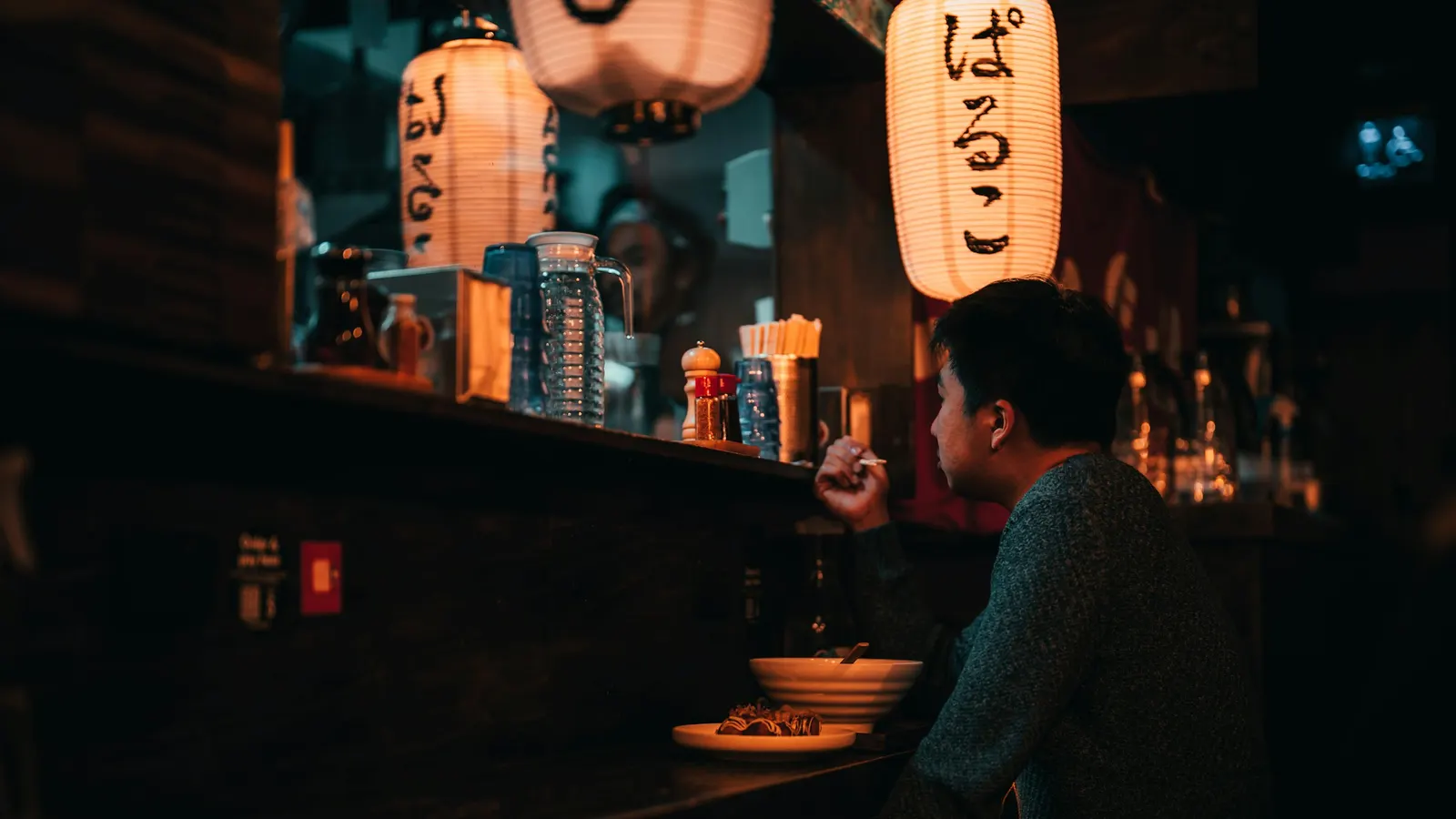
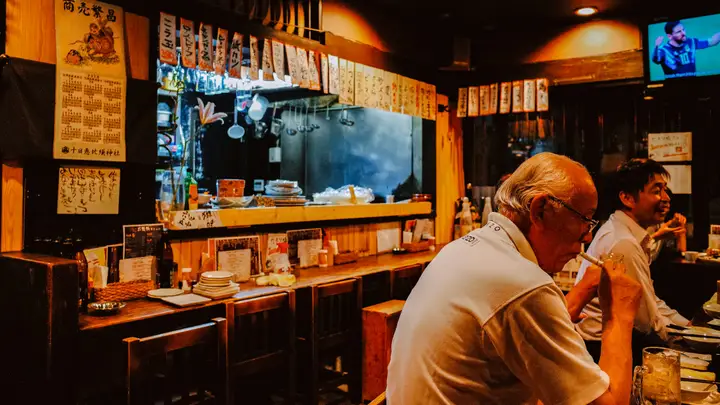
Japan is the best country in the world to eat alone. Counters are built for it, set meals come in single portions, and nobody looks twice at a table for one. There is even a word for it: おひとりさま (ohitori-sama), "a party of one", said with respect. The one place solo diners run into trouble is booking, and it helps to know why.
Most of the food Japan does best is served at a counter or on a single tray:
At most of these you don't book at all. You walk in, or you queue.
| Situation | Why | What to do |
|---|---|---|
| Online booking forms with a two-person minimum | The platform or restaurant sets 2 as the smallest party | Call instead, or look for a counter seat option |
| Nabe, yakiniku and shabu-shabu courses | Courses are often priced "from two people" (2名様から) | Look for single-portion options, or a hitori yakiniku shop |
| Peak Friday and Saturday dinner at small places | A table for four is worth more than a single seat | Book the counter, or go earlier or later |
| Kaiseki and some omakase counters | Most accept solo guests, but some courses have a minimum | Ask when booking, or book lunch |
The two-person minimum trips up many solo travelers. An online calendar can show no availability for one person while the restaurant would happily seat you at the counter. A phone booking gets around it, because a person can decide what a form can't.
一人なんですが、予約できますか。
Hitori nan desu ga, yoyaku dekimasu ka.
It's just me. Can I make a booking?
カウンター席でお願いします。
Kauntā-seki de onegai shimasu.
The counter, please.
一人でもコースを頼めますか。
Hitori demo kōsu o tanomemasu ka.
Can I order the course on my own?
一人です。
Hitori desu.
Just one. (When walking in, often with one finger raised.)
For the full call, from greeting to confirmation, see our phrases guide.
There's very little of it, which is part of the appeal.
With Moshicall, set the party size to one. Solo bookings cost the same ¥2,000 minimum as a table for two, and you only pay if you get the table. Our AI assistant asks for one person in natural Japanese, takes a counter seat if that's what's free, and checks nearby times within the flexibility you set. It's especially useful for the small places whose online calendars only offer tables for two.
Next time a form tells you there's nothing for one person, remember that the counter almost always has a seat the calendar doesn't show. Our guides to finding where locals eat and booking sushi omakase are a good place to find your next one.
Completely. Counters, ramen shops, set-meal restaurants and standing bars are full of solo diners. Japanese even has a polite word for it, ohitori-sama, a party of one.
Usually yes, especially at a counter. Some online forms and course menus have a two-person minimum (2名様から), so calling or asking for a counter seat often works when the calendar shows nothing for one.
Hitori (一人). 'Hitori nan desu ga, yoyaku dekimasu ka' means 'It's just me, can I make a booking?'
Guide
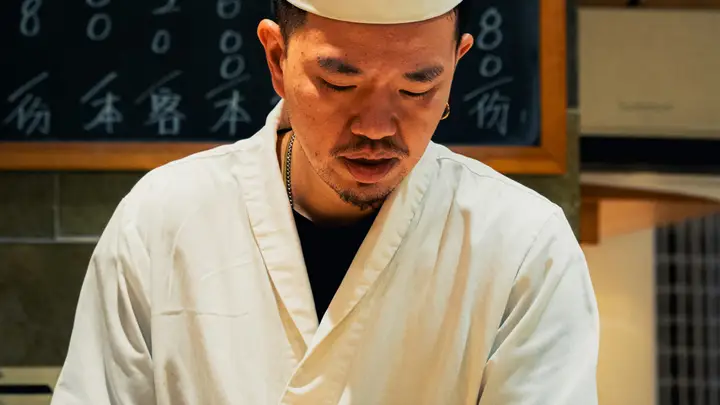
From famous counters to the neighbourhood sushi-ya: how far ahead to book, what you'll pay, the etiquette, and how to reach the places that only answer the phone.
7 min read →
Guide
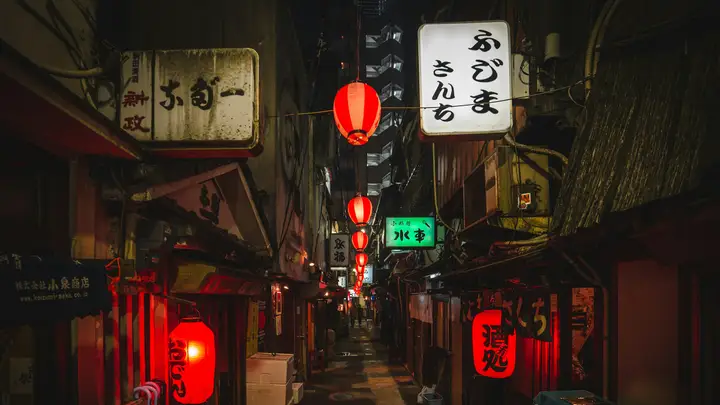
Google Maps shows you where tourists eat. Here is how to find the counters, izakaya and set-lunch spots that locals queue for, and how to get in.
7 min read →
Guide
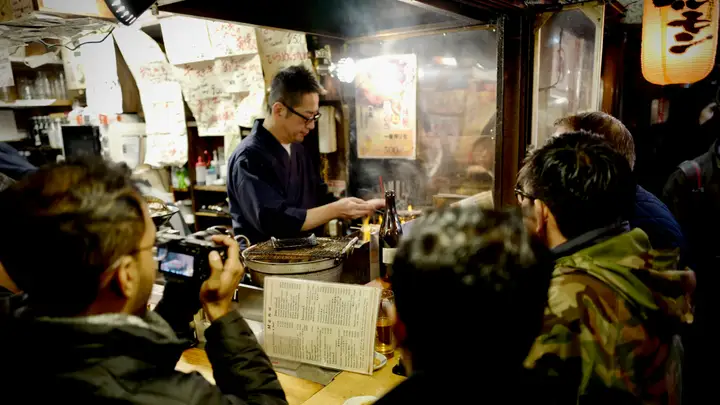
When you can walk into an izakaya, when you need to book, what otoshi and nomihoudai mean, and how groups get a table on a Friday night.
5 min read →
Guide
The exact Japanese you need to book a table: the opening line, numbers of people, times, and the words the restaurant will say back to you.
7 min read →