Booking restaurants in Fukuoka: yatai, motsunabe and seafood
Fukuoka's food is famously good value. Which places you just walk into, like the yatai stalls, and which you book: motsunabe, mizutaki and seafood counters.
Updated · 6 min read
Fukuoka's food is famously good value. Which places you just walk into, like the yatai stalls, and which you book: motsunabe, mizutaki and seafood counters.
Updated · 6 min read
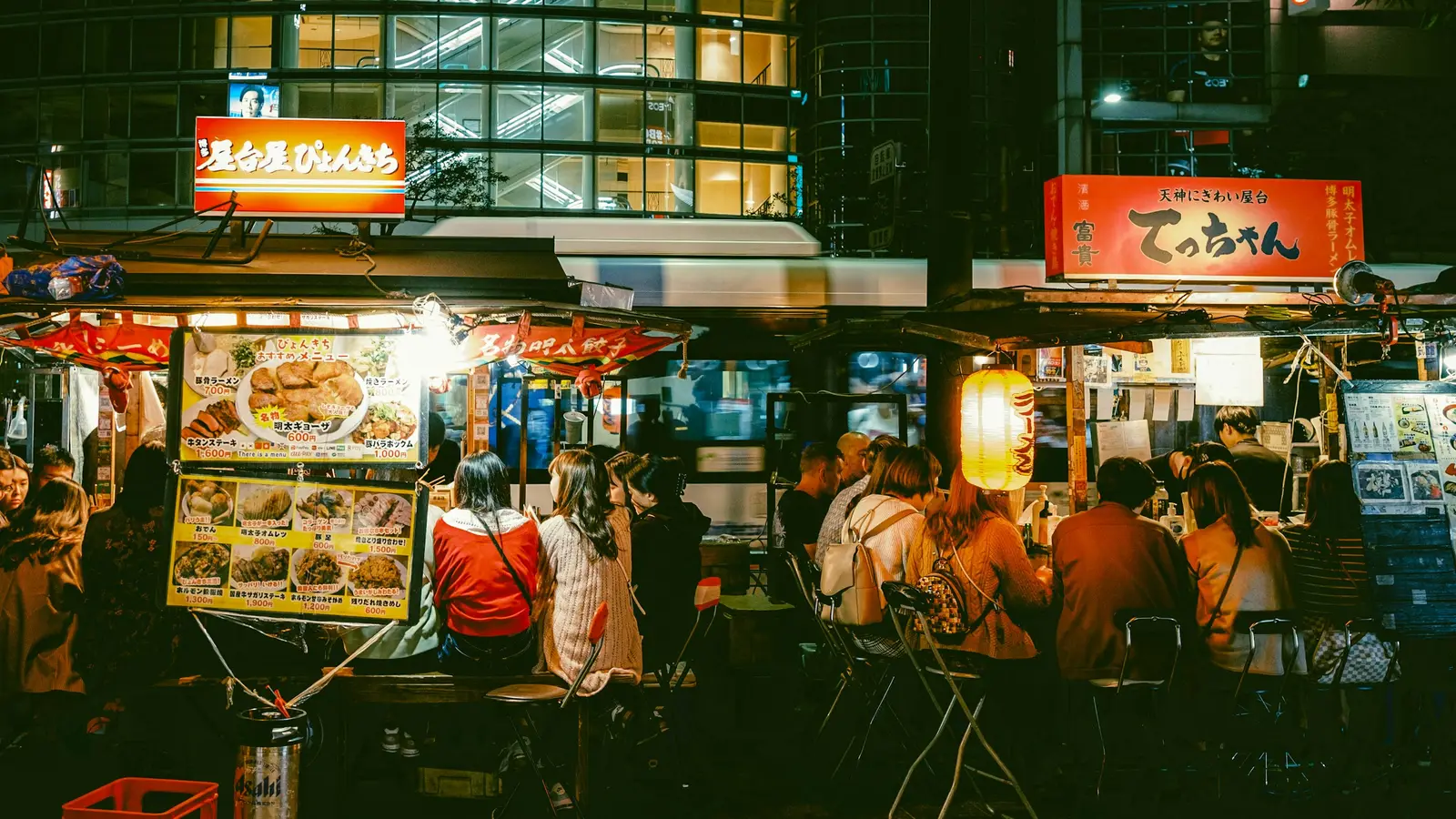
Fukuoka, on the island of Kyushu, has a reputation among Japanese travelers as one of the best food cities in the country. The seafood is superb, the prices are gentle, and the city is small enough to eat your way across in a weekend. Some of its best-known food can't be booked at all. The rest often needs a phone call.
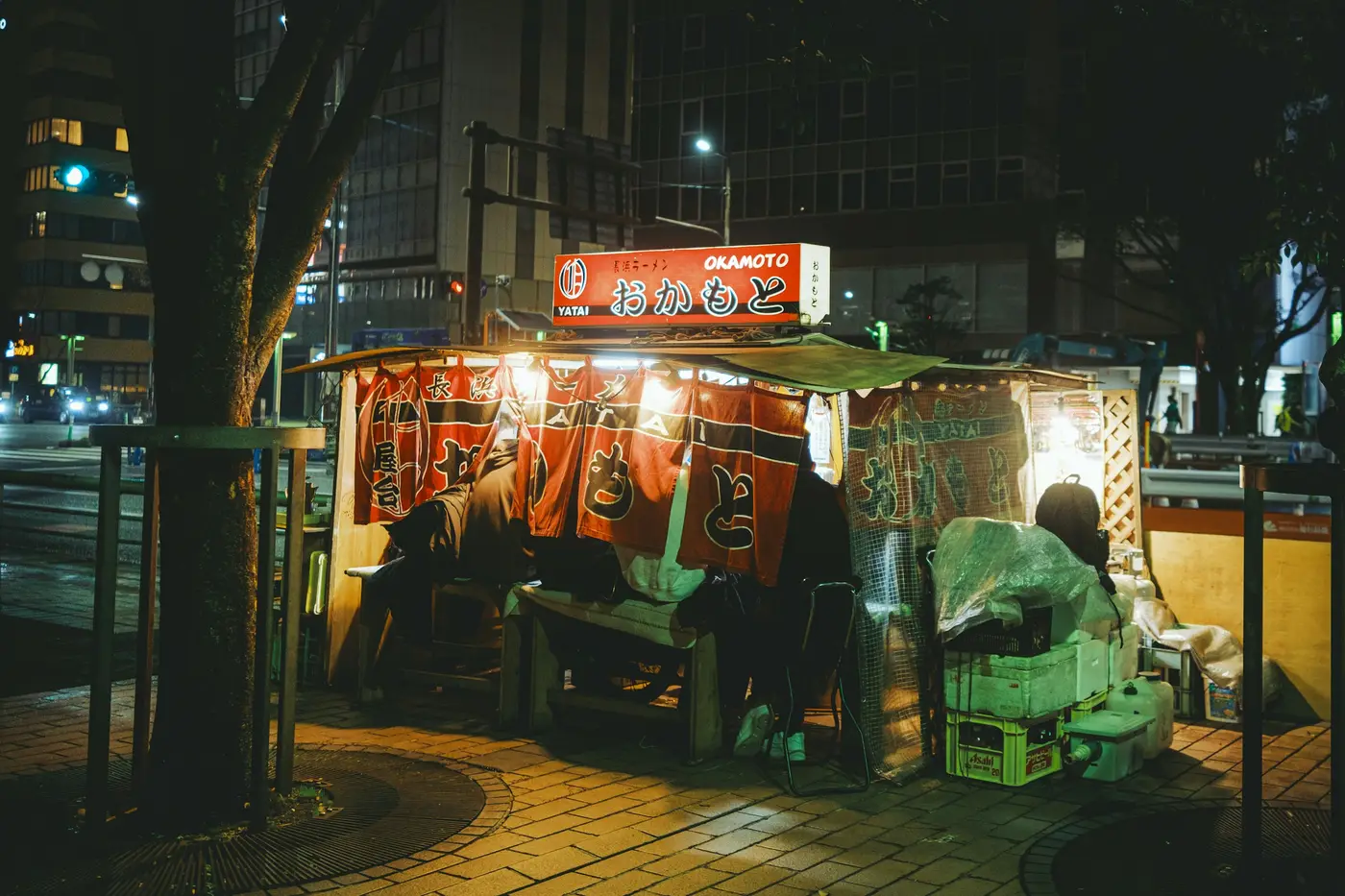
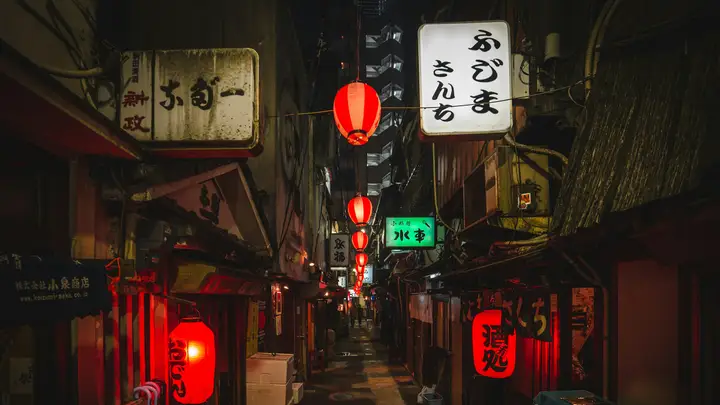
Fukuoka is famous for its yatai (屋台), open-air food stalls that set up in the evening around Nakasu, along the river, and in Tenjin. Each seats a handful of people around a small counter, serving ramen, yakitori, oden and drinks.
Yatai don't take bookings. Seats turn over fast, and the popular ones have queues.
A Hakata speciality: chicken simmered in a rich, milky broth, with vegetables added at the table, ending with rice or noodles in the broth. The long-established mizutaki houses are popular with locals for celebrations and often need booking, many by phone.
A hot pot of beef or pork offal, cabbage and garlic chives in a soy or miso broth. Well-known motsunabe restaurants fill up on weekend nights, so book ahead.
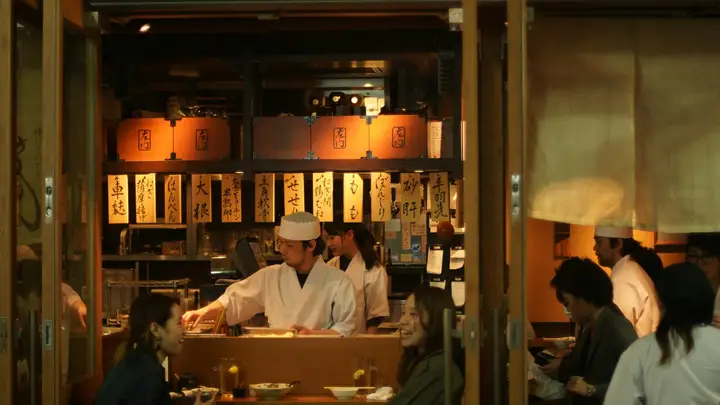
Fukuoka sits on the sea, and its fish is excellent and cheaper than in Tokyo. Look out for goma saba, fresh mackerel in sesame sauce, and squid served so fresh it is almost transparent. Good sushi counters and seafood izakaya are worth booking, especially for dinner.
Nakasu, an island between two rivers, is the nightlife district and home to the most famous row of yatai. Tenjin is the shopping centre, with plenty of restaurants and more yatai.
The area around Hakata Station has many ramen shops and restaurants aimed at people traveling through. Look in the streets around the station rather than inside it.
These are quieter neighbourhoods south and west of Tenjin, with independent restaurants, bars and cafés popular with locals. Good places are small and get booked.
A traditional covered market, sometimes called "Hakata's kitchen", with fishmongers and food stalls. It's best in the morning and for lunch.
Fukuoka is the home of Hakata ramen: thin noodles in a rich pork-bone (tonkotsu) broth. Order your noodle firmness, and ask for kaedama (替え玉), an extra portion of noodles for your leftover broth. Ramen shops don't take bookings. You queue.
Fukuoka numbers start with 092: 092-123-4567, or +81 92-123-4567 from abroad. The phone number converter handles the formatting.
For more on Japan's drinking and small-plates culture, see do you need to book an izakaya. Heading to Honshu next? Our Osaka guide is a good next stop.
Generally no. Yatai are first come, first served, and seats turn over quickly. Go early in the evening or after 10pm to avoid the longest waits.
For the well-known specialists, yes, especially for dinner on weekends. Many only take bookings by phone.
Guide
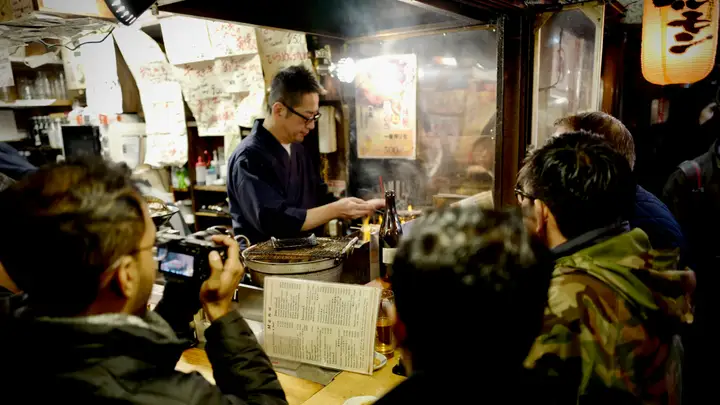
When you can walk into an izakaya, when you need to book, what otoshi and nomihoudai mean, and how groups get a table on a Friday night.
5 min read →
Osaka
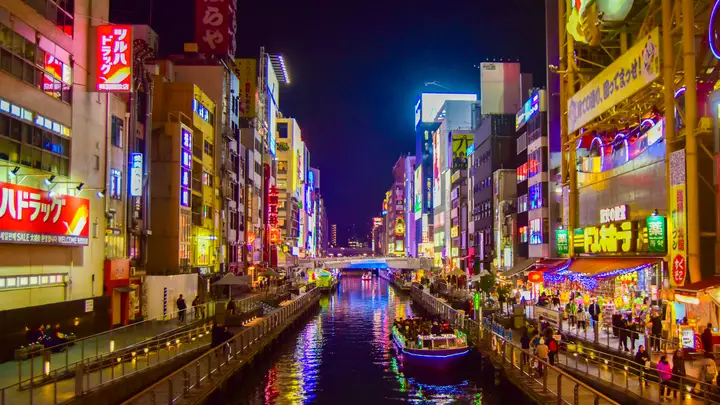
Osaka is Japan's kitchen, and its best tables are away from Dotonbori. Neighbourhoods, what needs a booking, and how to reach phone-only places.
7 min read →
Guide
Google Maps shows you where tourists eat. Here is how to find the counters, izakaya and set-lunch spots that locals queue for, and how to get in.
7 min read →
Guide
Every way to get a table in Japan, from online platforms to hotel concierges to calling in Japanese, and which one to use for which kind of restaurant.
8 min read →