Food allergies, vegetarian and halal diets at restaurants in Japan
Dashi is in almost everything and soy sauce contains wheat. The hidden ingredients to watch for, when to tell the restaurant, and the Japanese to say it.
Updated · 7 min read
Dashi is in almost everything and soy sauce contains wheat. The hidden ingredients to watch for, when to tell the restaurant, and the Japanese to say it.
Updated · 7 min read
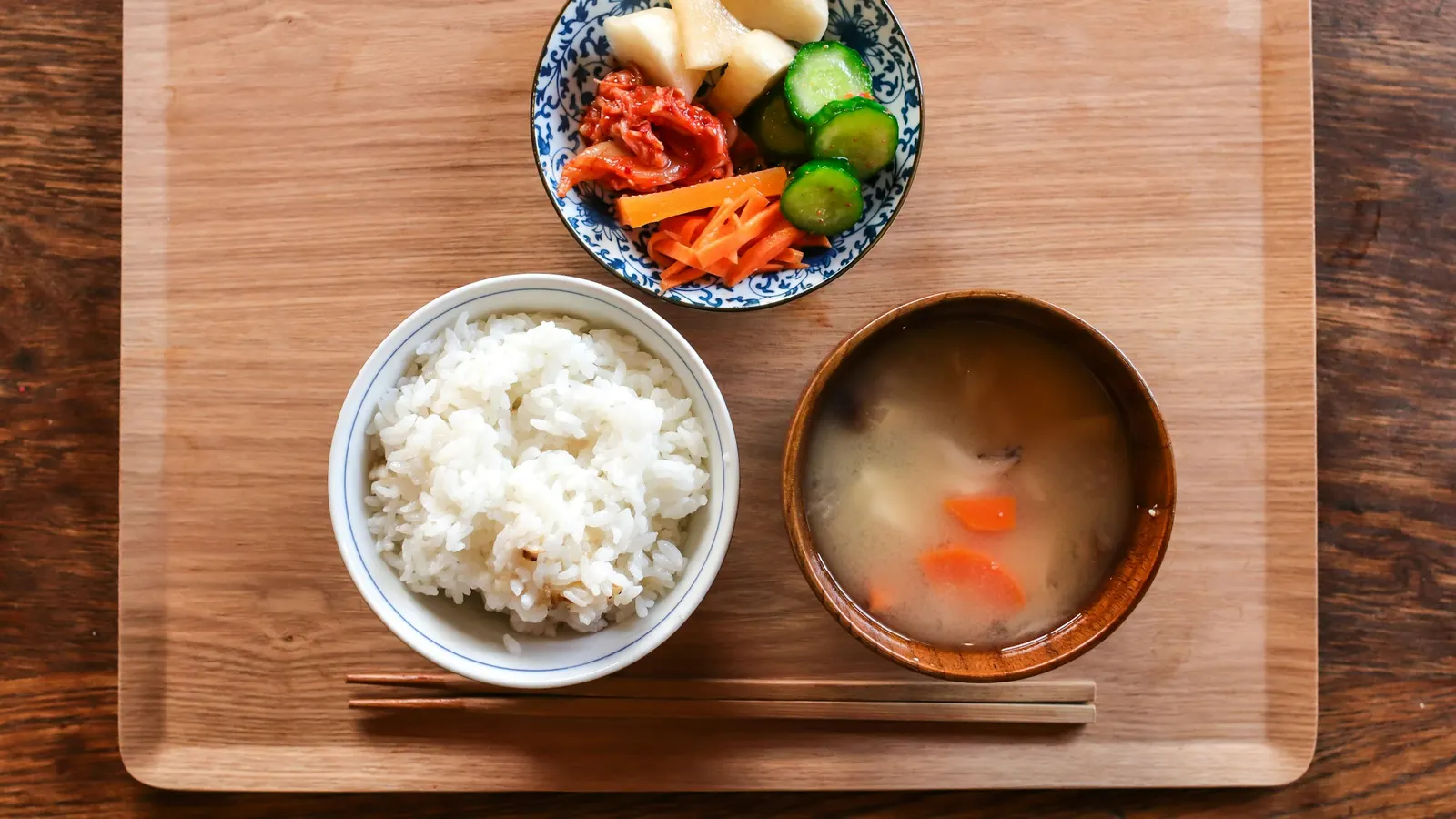
Eating in Japan with an allergy, as a vegetarian, or keeping halal is very doable, but it takes more planning than most travelers expect. The hidden ingredients are different from the ones you're used to, and at the restaurants that matter most, the moment to speak up is when you book, not when you sit down. Here is what to watch for and exactly what to say.
Dashi is in almost everything. Japan's basic stock is usually made with katsuobushi (dried bonito fish), sometimes with kombu seaweed. It is in miso soup, noodle broths, simmered vegetables, tamagoyaki, many sauces and a lot of dishes that look vegetarian. A "vegetable" dish in Japan is very often cooked in fish stock.
Soy sauce contains wheat. Standard soy sauce (醤油) is brewed with wheat, which matters for coeliac and wheat allergies. Tamari is sometimes wheat-free, but you can't assume a restaurant keeps it.
Mirin and sake are used in cooking. Both are alcohol, used in glazes, sauces and simmered dishes. This matters if you avoid alcohol for religious reasons.
Pork and lard turn up in broths. Tonkotsu ramen is pork bone broth, and gyoza, many fried dishes and some curries contain pork or lard.
Buckwheat allergy is taken seriously. Soba (そば) is buckwheat, and soba shops often boil other noodles in the same water. If you have a buckwheat allergy, avoid soba shops altogether.
| Diet | Easier | Harder |
|---|---|---|
| Vegetarian or vegan | Shojin ryori (Buddhist temple cooking), dedicated vegan restaurants, Indian and international places | Anything with a broth: ramen, soba, udon, nabe, and most set courses |
| Shellfish or fish allergy | Yakiniku, tonkatsu, many Western-style places | Sushi, kaiseki, izakaya, anywhere with dashi |
| Gluten-free | Sushi with your own tamari, yakiniku with salt instead of sauce | Ramen, udon, tempura, most sauces |
| Halal | Muslim-friendly listed restaurants, some Indian and Turkish places | Most Japanese restaurants, because of mirin, sake and pork |
Shojin ryori is the vegetarian's best friend in Japan. It is built on kombu and shiitake stock instead of fish, and temple restaurants in Kyoto and on Koyasan specialise in it.
At a sushi counter, kaiseki or any course-only restaurant (コースのみ), the chef plans and buys for each guest before you arrive. Asking for changes when you sit down often isn't possible, and at the high end it can mean being turned away. Telling them at booking time gives the chef the chance to prepare or to say honestly that they can't.
Expect one of three answers:
Casual places like izakaya are more flexible, since you order dish by dish. Still, ask before ordering anything with broth or sauce.
When you book, or when you sit down at a casual place:
〇〇のアレルギーがあります。
(X) no arerugī ga arimasu.
I have an allergy to (X).
えび・かにのアレルギーがあります。
Ebi kani no arerugī ga arimasu.
I'm allergic to shrimp and crab.
ベジタリアンです。肉と魚が食べられません。
Bejitarian desu. Niku to sakana ga taberaremasen.
I'm vegetarian. I can't eat meat or fish.
出汁にも魚は入っていますか。
Dashi ni mo sakana wa haitte imasu ka.
Is there fish in the stock too?
豚肉とお酒が入っていない料理はありますか。
Butaniku to osake ga haitte inai ryōri wa arimasu ka.
Do you have dishes with no pork and no alcohol?
小麦が食べられません。
Komugi ga taberaremasen.
I can't eat wheat.
対応していただけますか。
Taiō shite itadakemasu ka.
Would you be able to accommodate that?
Common allergens in Japanese: shrimp えび (ebi), crab かに (kani), egg 卵 (tamago), milk 乳 (nyū), wheat 小麦 (komugi), buckwheat そば (soba), peanuts 落花生 (rakkasei), sesame ごま (goma).
For the rest of a booking call, see our phrases guide.
Write your allergy in Japanese on a card or save it on your phone, and show it every time you order. Staff can read it calmly instead of decoding your pronunciation in a loud room. Keep it to one or two sentences: what you can't eat, and whether it is a serious allergy.
When you book with Moshicall, write your restriction in the notes field, for example "One guest has a shellfish allergy". Once the restaurant confirms the table, our AI assistant tells them on the same call, in Japanese. The restaurant's answer is in your call recap, so you know before you go whether they can adapt, and you can still cancel directly with the restaurant if they can't.
Harder than most visitors expect, because dashi stock made from dried bonito fish is used in soups, broths, sauces and many vegetable dishes. Shojin ryori (Buddhist temple cooking), dedicated vegan restaurants and international food are the easiest options.
Say the food followed by 'no arerugī ga arimasu' (のアレルギーがあります). For example, ebi no arerugī ga arimasu means 'I'm allergic to shrimp'. Say it when you book, not only when you order.
Often, if you tell them when you book, since the chef buys and prepares for each guest in advance. Some cannot, and will say taiō dekimasen (対応できません). That is an honest safety answer, so book somewhere else.
Standard Japanese soy sauce is brewed with wheat, so it contains gluten. Some tamari is wheat-free, but restaurants rarely keep it, so bring your own if you need it.
Guide
The exact Japanese you need to book a table: the opening line, numbers of people, times, and the words the restaurant will say back to you.
7 min read →
Guide
From famous counters to the neighbourhood sushi-ya: how far ahead to book, what you'll pay, the etiquette, and how to reach the places that only answer the phone.
7 min read →
Kyoto
Kyoto eats early and books ahead. How to get a kaiseki table, what 'no first-timers' means, and how to book the small places around Pontocho and Gion.
7 min read →
Guide
Manseki, chotto muzukashii, course only: what each refusal really means, the common reasons small restaurants say no, and how to still get a table.
6 min read →