Booking restaurants in Kyoto: kaiseki, early closings and introductions
Kyoto eats early and books ahead. How to get a kaiseki table, what 'no first-timers' means, and how to book the small places around Pontocho and Gion.
Updated · 7 min read
Kyoto eats early and books ahead. How to get a kaiseki table, what 'no first-timers' means, and how to book the small places around Pontocho and Gion.
Updated · 7 min read
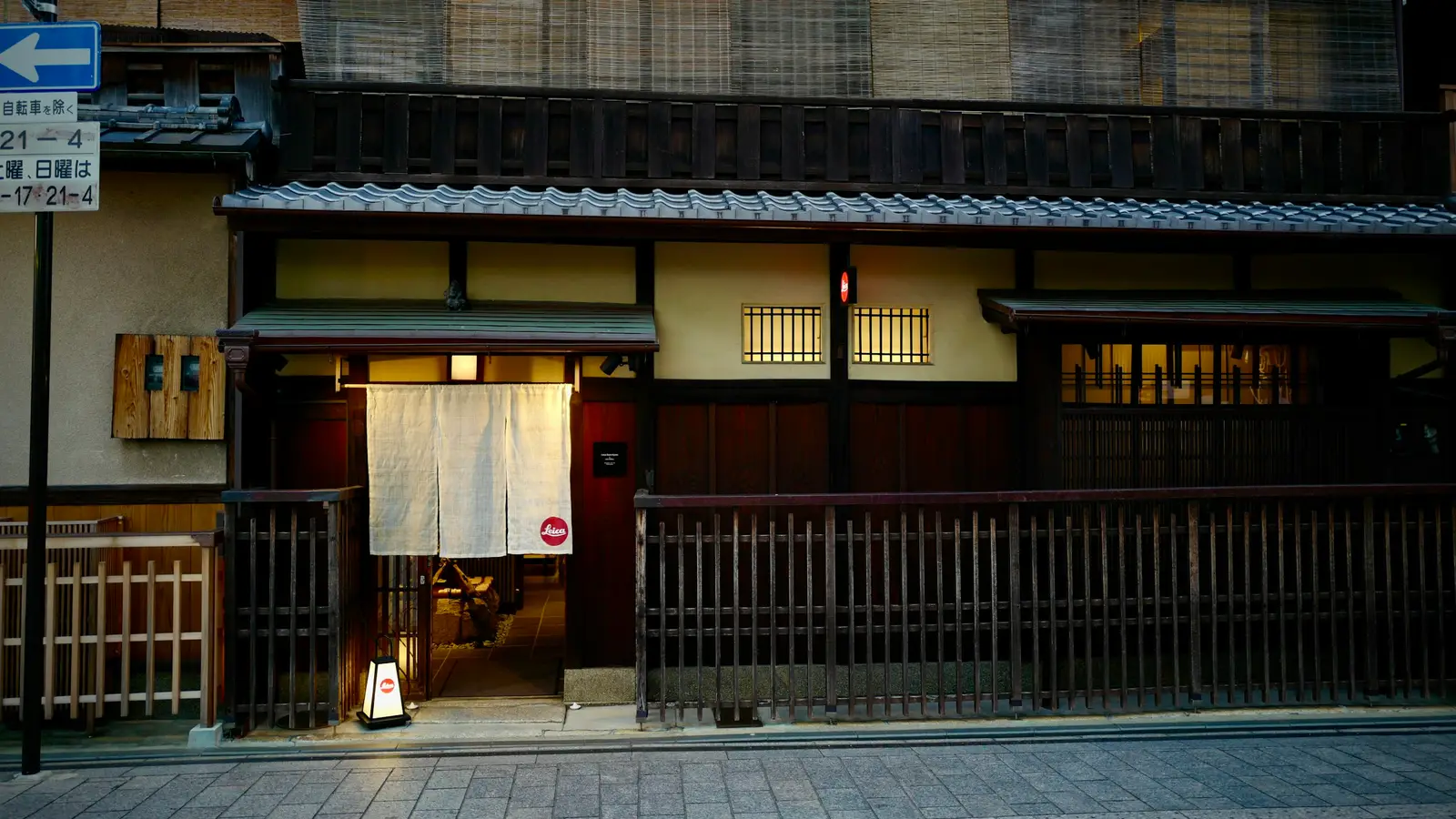
Kyoto is the heart of Japanese cuisine: kaiseki, tofu, tea-house sweets and the home-style cooking called obanzai. It is also the most visited city in Japan for its size, and it plays by different rules than Tokyo or Osaka. It eats early, books ahead, and still has corners where introductions matter.
Many Kyoto restaurants take last orders around 8 or 8:30pm, and some close their kitchens even earlier. If you're used to eating late, adjust: book dinner for 6 or 7pm. A 9pm walk-in plan works in Osaka. It rarely works in Kyoto.
Walk-in is fine for ramen, udon, soba, cafés and many obanzai lunches.
Some establishments in Kyoto follow a tradition called ichigen-san okotowari (一見さんお断り): no first-time guests without an introduction from a regular. It is most common at traditional teahouses and some long-established restaurants. The reasons are practical as well as cultural: they extend credit to known guests and want to protect the atmosphere for their regulars.
Most Kyoto restaurants don't work this way. If a listing says 紹介制 (introduction only), no platform or phone call will get you in without a connection. A top hotel's concierge sometimes can. For everything else, a polite phone booking works.
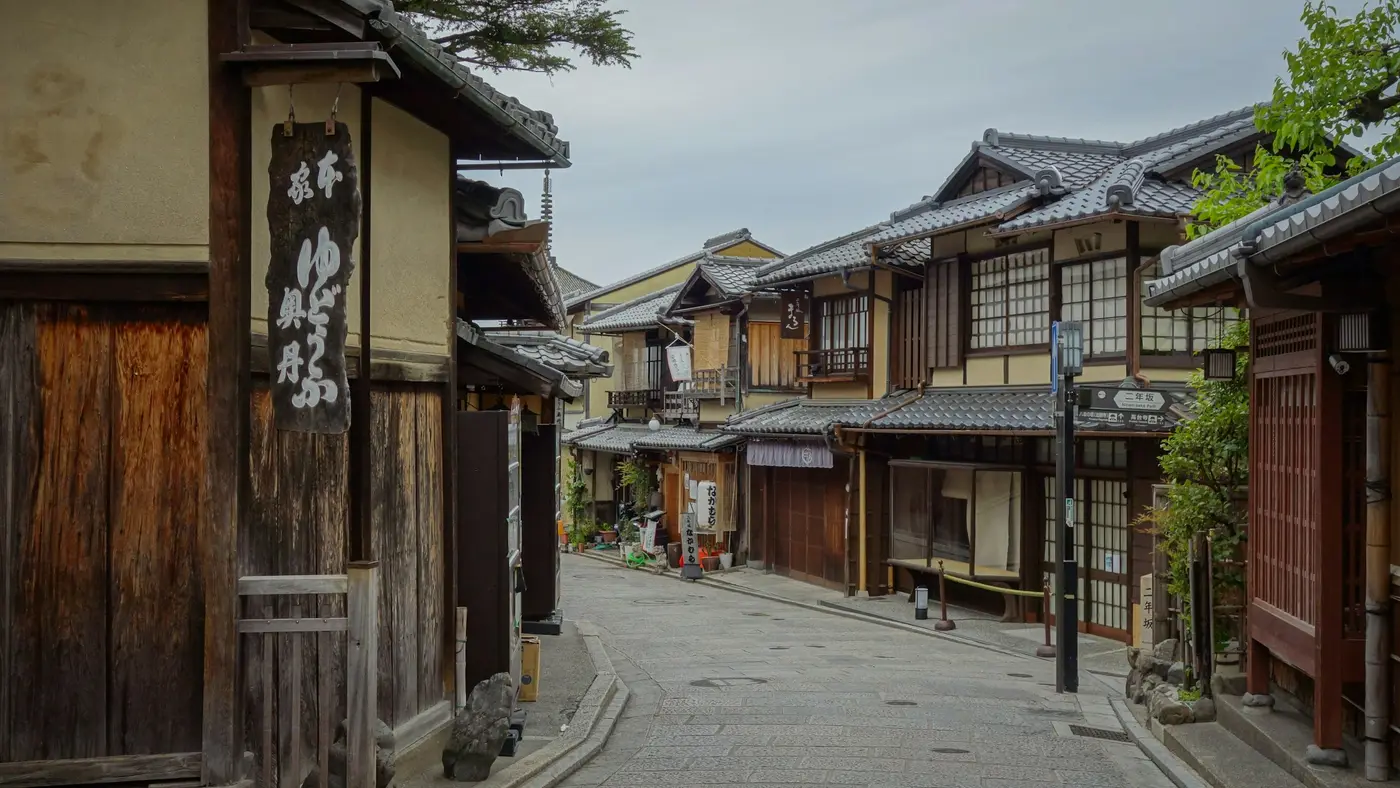
Pontocho is a narrow stone alley running along the Kamo River, lined with restaurants, many with riverside platforms in summer. Parallel Kiyamachi, along the little Takase canal, is more casual, with izakaya and bars. Both are busy, and the best places need booking.
Gion is Kyoto's most famous geisha district. In recent years, some private lanes around Hanamikoji have been closed to tourists after problems with crowds and photography. Respect the signs. Restaurants in Gion are mostly high-end and bookings-only.
A long covered market of food stalls and shops, known as "Kyoto's kitchen". It's great for tasting, but busy, and the market asks visitors not to eat while walking. Eat at the stall.
Areas like Nanzenji and Arashiyama are known for yudofu, simmered tofu, often served in garden settings. Lunch is the classic time. Book popular places, especially in autumn.
Kyoto numbers start with 075: 075-123-4567, or +81 75-123-4567 from abroad. Many of the best small restaurants only take bookings by phone. See why that is and how to get around it.
Osaka is under an hour away and much more relaxed about bookings. Tokyo is covered in our Tokyo guide.
Many do. Last orders around 8 or 8:30pm are common, so book dinner for 6 or 7pm rather than late.
It means 'no first-time guests without an introduction'. It applies to some traditional teahouses and a few restaurants. A booking made through a hotel or a regular can sometimes get you in, but most Kyoto restaurants do not work this way.
Osaka
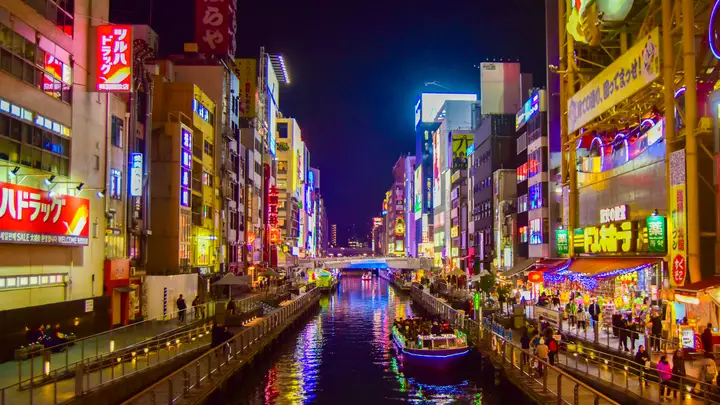
Osaka is Japan's kitchen, and its best tables are away from Dotonbori. Neighbourhoods, what needs a booking, and how to reach phone-only places.
7 min read →
Guide
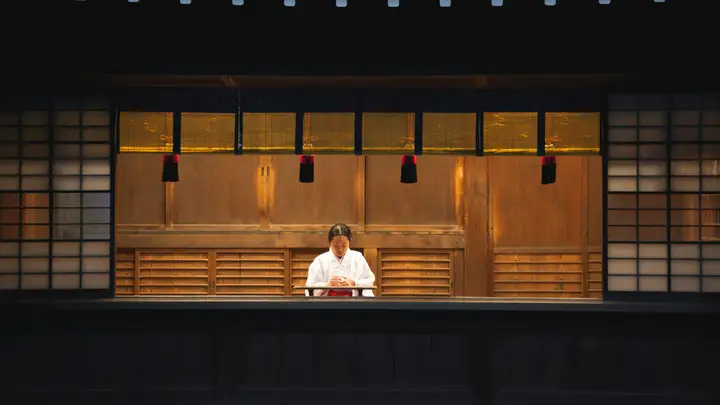
Why some restaurants in Japan stopped taking bookings from tourists, what cancellation fees usually look like, and how to cancel properly.
5 min read →
Guide
Small counters, family-run kitchens and long-standing regulars: why phone booking survives in Japan, and how to book those places from abroad.
6 min read →
Tokyo
Where to eat in Tokyo beyond the tourist strips, which neighbourhoods need a booking, and how to get into the small places that only take calls.
8 min read →