Why so many restaurants in Japan only take bookings by phone
Small counters, family-run kitchens and long-standing regulars: why phone booking survives in Japan, and how to book those places from abroad.
Updated · 6 min read
Small counters, family-run kitchens and long-standing regulars: why phone booking survives in Japan, and how to book those places from abroad.
Updated · 6 min read
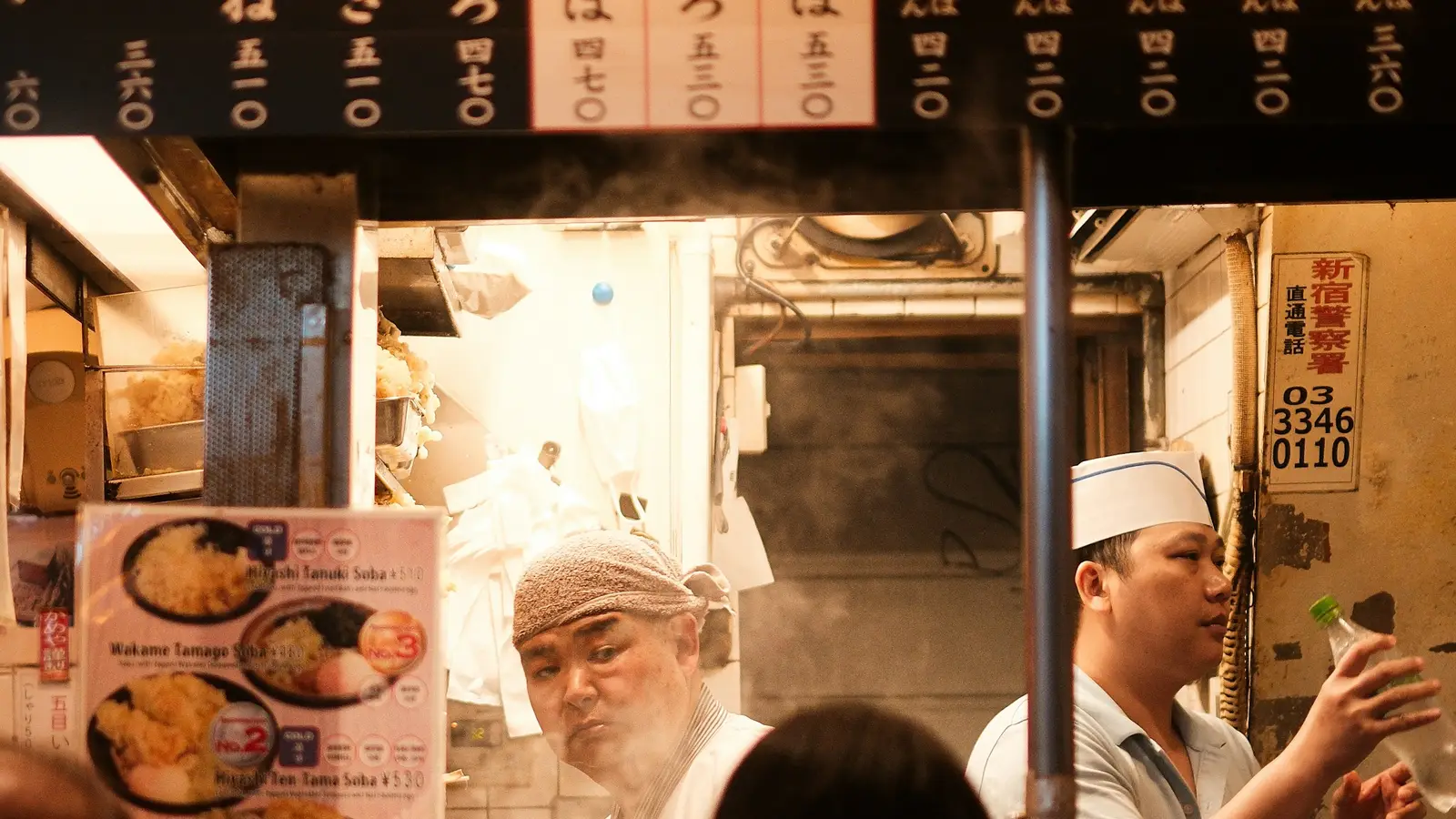
You've found the place: an eight-seat counter, glowing reviews, and a Tabelog page with one line under bookings, a phone number. No form, no email, no English. It isn't a mistake, and you'll see it again and again. Here is why so much of Japan still books by phone, and how to get a table anyway.
A large share of Japanese restaurants are run by one chef or one family. Many have a single counter and a handful of tables. At that size, a booking platform's commission and admin cost more than they save, and the owner already has a paper book by the phone that works.
For a small counter, a booking is a conversation. On the phone the chef can ask about allergies, explain that it's course only, mention the cancellation policy and get a sense of who's coming. For restaurants that buy fish or prepare dishes for each guest, that call is how they protect themselves.
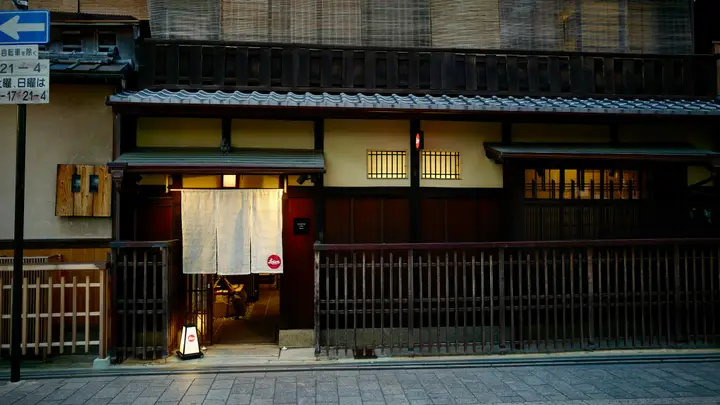
Many places run mostly on regulars, who book their next visit as they leave. The phone is for people who already know the restaurant or have been introduced. Some Kyoto establishments take this further with a policy called ichigen-san okotowari, "no first-timers without an introduction". We cover it in the Kyoto guide.
Online bookings from overseas come with a much higher no-show rate, and a no-show at a ten-seat counter can wipe out the night's profit. Some restaurants that tried platforms went back to phone-only, where they can judge the booking and take a contact number. Read more in our guide to cancellation fees and no-shows.
Knowing the reasons doesn't make the call easier. Travelers run into three problems at once.
If you speak some Japanese, or you're brave, it can work. Call in a quiet window, read slowly, and focus on the numbers: date, time and party size. Our phrase builder writes the whole call out for your booking, and the phrases guide explains what the restaurant will say back. Use the phone number converter to dial it correctly.
A hotel concierge can make the call, if you're staying somewhere that has one and they're willing to call places they don't already know.
This is what we built Moshicall for. Paste the number, set your date, time and how flexible you are, and our AI calls the restaurant in natural, polite Japanese. It introduces itself as an AI calling for a guest from overseas, handles the back and forth, and only accepts a time inside the window you set. You get a plain-English recap and a booking card in Japanese, and you pay only if the restaurant confirms.
Phone-only restaurants are taking a small risk on every overseas booking. Show up on time, or a few minutes early. Tell them in advance about allergies. And if your plans change, call to cancel as early as you can. It's the reason the next traveler gets a yes.
Yes. Drop the first 0 of the number and add +81, so 03-1234-5678 becomes +81 3-1234-5678. Roaming or a calling app works, but the call itself will be in Japanese.
Some will, not out of rudeness but because they can't take a booking they don't fully understand, especially during service. Calling in a quiet hour with a clear script helps a lot.
Guide
The exact Japanese you need to book a table: the opening line, numbers of people, times, and the words the restaurant will say back to you.
7 min read →
Guide
Every way to get a table in Japan, from online platforms to hotel concierges to calling in Japanese, and which one to use for which kind of restaurant.
8 min read →
Guide
Why some restaurants in Japan stopped taking bookings from tourists, what cancellation fees usually look like, and how to cancel properly.
5 min read →
Kyoto
Kyoto eats early and books ahead. How to get a kaiseki table, what 'no first-timers' means, and how to book the small places around Pontocho and Gion.
7 min read →